AI-Powered Sustainability in Supply Chain Management Today

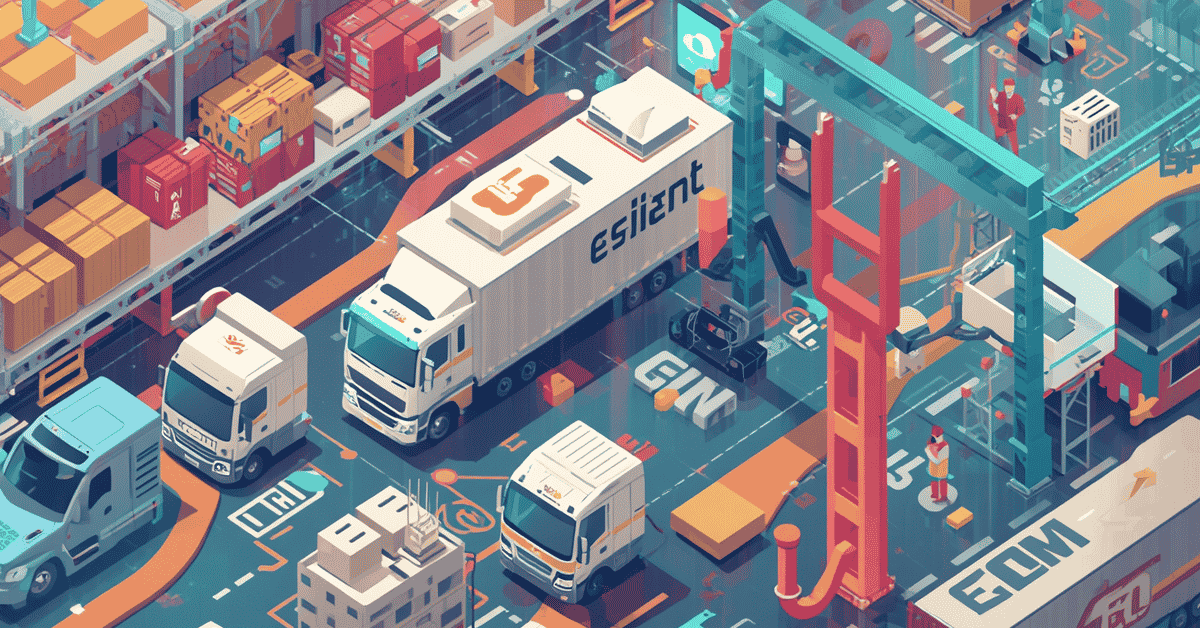
Cutting Down Carbon Emissions, Improving Logistics Processes, and Inventory Management
Introduction
Sustainability Formalized Corporate Social for Companies: Focus on The New Global Sustainability More than a CSR? As consumers, regulators, and other stakeholders apply pressure on organizations to reduce their environmental footprints, there is an increasing desire for innovative solutions that maximize sustainability while improving operational efficiencies.
Meanwhile, supply chains have become increasingly complex, global, and prone to disruption. You need sophisticated tools to manage logistics, inventory and demand across thousands of categories created from trillions of data points in the face of uncertainty.
That is where AI-powered sustainability and supply chain optimization comes as a game changer. Through artificial intelligence, machine learning and predictive analytics, we can reduce carbon emissions, streamline logistics and optimize inventory—while also reducing costs and increasing profitability and resilience.
What Is AI for Sustainable Supply Chains?
AI-driven sustainability uses artificial intelligence to reduce environmental footprint through supply chain operations. It focuses on:
Reducing carbon emissions
Optimizing resource utilization
Minimizing waste
Enhancing energy efficiency
For supply chains, AI can provide smarter decision-making capabilities to eliminate shortages and overages by analyzing data both in real-time and historical to recognize inefficiencies as well as opportunities for improvements.
Building Sustainable Supply Chains
Whether you are improving your existing supply chain or creating one for the first time, modern-day supply chains have their set of challenges:
Rising transportation emissions
Inefficient inventory management
Excessive waste and overproduction
Lack of real-time visibility
Increasing regulatory requirements
These challenges can be poorly served by traditional approaches. AI provides a data-driven way to address these challenges at scale.
Essential Elements of AI-Powered Supply Chain Optimization
Data Integration
AI systems gather information from a variety of sources:
Sensors (IoT devices)
ERP systems
Transportation networks
Market demand signals
Predictive Analytics
AI predicts demand and disruptions, and supply chain risks.
Optimization Algorithms
These algorithms determine the optimal roads to take, how much inventory to hold and when to produce.
Automation
Decision making — through automation or whatever ratcheting down of manual handling errors it involves.
Reducing Carbon Footprint with AI
One major value of AI is that it reduces carbon emissions in supply chains.
Route Optimization
Artificial intelligence computes the optimum routes for transportation to boost fuel efficiency while lowering emissions and fuel consumption.
Load Optimization
Having full trucks or containers minimizes trips.
Energy Efficiency
Real-time A.I. monitoring of energy use in warehouses and factories.
Sustainable Sourcing
AI identifies sustainable suppliers and materials.
AI in Logistics Optimization
Logistics is the largest portion of operational expense and also has a huge ecological footprint. AI enhances logistics through:
Real-Time Tracking
AI-enabled systems supply up-to-the-minute information about shipments enhancing visibility.
Demand-Based Shipping
The transportation of items is minimized since shipments are planned based on real demand.
Smart Warehousing
AI: Automating the picking, packing, and sorting processes
Last-Mile Delivery Optimization
AI streamlines routes and schedules, minimizing delays and emissions.
Inventory Management with AI
Proper inventory management is vital in terms of sustainability and making money.
Demand Forecasting
AI Accurate Customer Demand Prediction Minimizes Overstocking And Stockouts
Just-in-Time Inventory
To minimize storage costs and prevent waste, it can help to maintain optimal inventories.
Waste Reduction
AI detects stagnant or outdated inventory and recommends action.
Automated Replenishment
AI helps restock in time by analyzing the pattern of demand.
Advantages of AI-Powered Sustainable Supply Chains
Reduced Environmental Impact
Sustainability goals also need lower emissions and resource consumption.
Cost Savings
Operational costs are mitigated with optimized logistics and inventory.
Improved Efficiency
Growing Overall Performance through Automation and Data-driven Decisions.
Enhanced Resilience
AI anticipates disruptions and enables proactive business response.
Better Customer Satisfaction
What better customer experience than the speed of product delivery and their availability?
Industry Applications
Manufacturing
AI helps to optimize production schedules and decrease waste of materials.
Retail & E-Commerce
Retail uses AIs for demand forecasting, efficient distribution.
Transportation & Logistics
Companies streamline routes, fleets and delivery times.
Food & Agriculture
AI eliminates food wastage and helps improve transparency throughout the supply chain.
Healthcare
With the help of AI, medical supplies are delivered efficiently and wastage is reduced.
Technologies Powering AI Supply Chains
Machine Learning (ML)
You are taught information before October 2023.
Internet of Things (IoT)
Delivers real-time data from the linked devices.
Big Data Analytics
Perform computations over large data sets for getting insights.
Digital Twins
The Vieving model helps optimization of supply chain operations.
Blockchain
Provides transparency and traceability in supply chains.
Challenges in Implementation
Data Silos
AI can become less effective with disconnected systems.
High Initial Investment
It can also be an expensive endeavor to implement the Solution of AI.
Skill Gaps
Well, the organization may not have experienced personnel in AI and data science.
Integration Complexity
AI needs to be interoperable with current infrastructure.
Change Management
Employees can be resistant to new technology.
Best Practices for Adoption
Start Small
Start with pilot projects and build up from there.
Invest in Data Quality
Good data is necessary to build well-functioning AI models.
Collaborate Across Departments
Operation, IT and management alignment
Use Scalable Solutions
Select the technologies that will scale with your business.
Monitor and Optimize
Measure performance constantly and optimize tactics.
AI and Circular Supply Chains
AI enables the movement towards a circular economy through:
Enabling recycling and reuse strategies
Tracking product lifecycles
Reducing waste generation
Optimizing reverse logistics
By addressing these wastage issues in agriculture, businesses have the chance to contribute positively towards a more sustainable future.
Real-World Scenario
Consider a national retailer leveraging AI for supply chain optimization:
The AI predicts demand surges in certain areas
Warehouses adjust inventory levels accordingly
Logistics systems optimize delivery routes
Excess stock is redistributed, not wasted
The result:
Reduced waste
Lower transportation emissions
Improved customer satisfaction
Future Trends
Autonomous Supply Chains
This system will run with little human control and be entirely automated.
Green AI
AI models will operate to limit their energy use.
Hyper-Localization
Supply chains will be more localized to lessen transportation impact.
AI + Robotics Integration
Work in warehouses and logistics will be done by robots.
Advanced Predictive Analytics
Better forecasting will lower inefficiencies even further.
Impact on Business Strategy
AI-powered sustainability is emerging as a competitive differentiator:
Brands can stand out with eco-friendly practices
Investors favor sustainable businesses
Regulatory compliance becomes easier
Long-term profitability improves
FAQ:
What does AI mean by supply chain optimization?
It involves integrating AI technologies into supply chains to drive greater efficiency, lower costs and strengthen sustainability.
In what way does AI decrease carbon emissions?
By streamlining routes, maximizing energy efficiency, and avoiding unnecessary freight.
Can AI improve inventory management?
So yes, it forecasts demand and keeps the right level of stock.
Which industries are the primary beneficiaries of this technology?
Factories, sales and service centers, supply chain hubs, farms and growing environments, hospitals, clinics and pharmacies.
Is AI implementation expensive?
Upfront costs can be substantial, but long-term savings frequently offset the expense.
What role does IoT play?
IoT takes care of real time data which is then processed with the help of AI to make a decision.
How does AI enhance logistics?
With route, schedule, and delivery operation optimization.
What are the risks of AI in the supply chain?
High cost of implementation, data issues and integration problems.
What is a circular supply chain?
A waste management system is based on reuse, recycling and minimization.
Conclusion
The emergence of AI for sustainability and supply chain optimization is one of the most important ways in which technology can be harnessed for green goals. Through the power of AI, corporations can cut their carbon emissions, manage inventory more proactively, and optimize logistics.
Despite challenges, the long-term benefits—cost savings, efficiency gains and better sustainability—have made AI a key tool for tomorrow’s supply chains.
With an increasing industry demand for sustainability, harnessing AI-led solutions will not only ensure compliance with regulatory and consumer expectations but also provide organizations with a long-term edge in the competitive business environment.