Amazon Private Label: The Complete Guide for New Sellers

Building a private label business on Amazon remains one of the most effective ways to create a real asset rather than just a temporary income stream. Unlike reselling other people’s brands, private label lets you own the product, the packaging, the customer relationship, and eventually the brand equity itself. In 2026 the barriers are higher than they were five years ago, but the rewards for those who execute properly are also larger. This guide walks through the core stages that separate brands that last from the ones that fade after a few months.
Choosing the Right Niche
Everything starts with niche selection. The goal is not to find a product with zero competition. Those barely exist anymore. The goal is to find a category where you can still create meaningful differentiation and where customers are willing to pay for better quality, better design, or a clearer solution to a problem.
Look for products with steady demand rather than pure seasonal spikes. Check search volume trends over multiple years. Study the existing listings carefully. If the top results all look nearly identical, have mediocre reviews, or fail to address common customer complaints in the reviews, there is often room for improvement. Calculate rough unit economics early. Factor in estimated landed cost, Amazon fees, advertising spend, and a realistic target retail price. If the numbers only work when everything goes perfectly, the niche is probably too tight.
Many successful private label brands in 2026 focus on solving specific pain points within larger categories rather than trying to invent entirely new products. Small improvements in materials, packaging, usability, or presentation can be enough to justify a premium and earn stronger reviews.
Sourcing Products That Can Compete
Once the niche is clear, sourcing becomes the next critical step. The quality of your supplier directly affects returns, reviews, and long-term margins. Most private label sellers work with manufacturers in Asia, though nearshoring options have grown for certain categories.
Start with clear product specifications. Provide detailed drawings, material requirements, packaging expectations, and compliance needs. Order samples from multiple suppliers and test them thoroughly. Check consistency across units, not just the best sample. Confirm that the factory can handle the volumes you expect as the brand grows and that they understand Amazon’s packaging and labeling rules.
Landed cost calculations must include product cost, shipping, duties, Amazon prep if needed, and a buffer for defects or delays. Many new sellers underestimate the impact of returns and customer service costs. Building a small surplus into your pricing protects the business when those realities appear.

Building a Brand That Customers Remember
Private label without real branding is just white-label selling. Branding is what turns a product into something people seek out again and recommend. Start with a clear brand name and visual identity that fits the niche and the customer. The name should be easy to pronounce, spell, and remember. The logo and packaging should look intentional rather than generic.
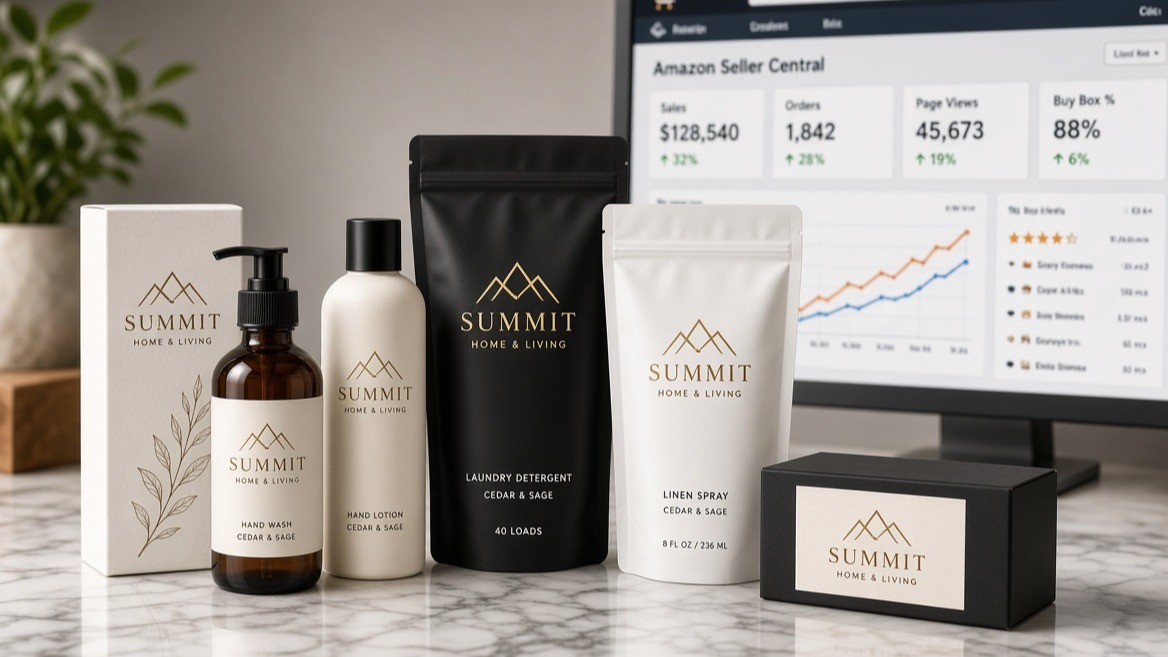
Packaging does more than protect the product. It creates the first physical impression and often becomes part of the unboxing content customers share. Thoughtful inserts, clear instructions, and a consistent visual language across the product line reinforce the brand at every touchpoint. In 2026, customers notice when a brand feels coherent from the Amazon listing through to the package that arrives at their door.
Brand story matters less as a long origin tale and more as consistent proof of quality and values that match what the customer cares about. Keep the messaging simple and focused on the benefit the product delivers better than the alternatives.
Creating Listings That Convert
A strong listing is the primary sales tool on Amazon. High-quality main images and lifestyle photos remain non-negotiable. The main image must be clear, well-lit, and show the product accurately against a pure white background. Secondary images should answer the questions customers have before they buy: size, materials, how it is used, what is included, and why it is better.
A+ Content (Enhanced Brand Content) gives private label sellers a significant advantage when they have Brand Registry. Use it to tell a clearer story, show the product in context, and address objections that text alone cannot handle. Backend search terms still matter for discoverability, but the front-end copy and images drive conversion once the shopper lands on the page.
Pricing should reflect the brand positioning. Racing to the bottom usually destroys the very differentiation private label is meant to create. Test different price points with advertising data rather than guessing.
Launching with Intention
A successful launch is rarely the result of simply uploading a listing and turning on ads. Plan the sequence carefully. Secure Brand Registry early so you can access A+ Content, Brand Analytics, and better protection tools. Prepare inventory that can support the initial advertising push without going out of stock. Out-of-stock periods during the critical early ranking phase are expensive to recover from.
Advertising strategy in the first weeks usually focuses on capturing the demand that already exists for the keywords you target while building review velocity. External traffic and carefully managed promotions can help, but the core remains consistent advertising that stays profitable as organic rank improves. Monitor the data daily at first. Adjust bids, creative, and targeting based on what the numbers actually show rather than assumptions.
Reviews remain one of the strongest ranking and conversion factors. Encourage them through excellent product experience and legitimate Amazon tools rather than shortcuts that risk account health.
Turning the Process into a Real Business
The difference between a product that sells for a while and a brand that compounds often comes down to consistent execution across all these stages. Niche research, reliable sourcing, coherent branding, conversion-focused listings, and disciplined launches each matter. When they work together under clear ownership, the business becomes more resilient and more valuable.
AMZ DOC operates as a full-service partner for private label sellers who want that level of coordination without having to piece together separate freelancers and agencies. From sourcing support and product development through A+ content creation, listing optimization, and PPC management, everything runs under one dedicated account manager. The focus stays on building brands that can defend their margins and grow beyond a single product rather than chasing short-term volume.
Private label on Amazon in 2026 rewards those who treat it as brand building rather than pure product arbitrage. The process is more demanding than it once was, but the brands that get the fundamentals right still create lasting value.