Voice-First Analytics: Learning from Alexa and Echo

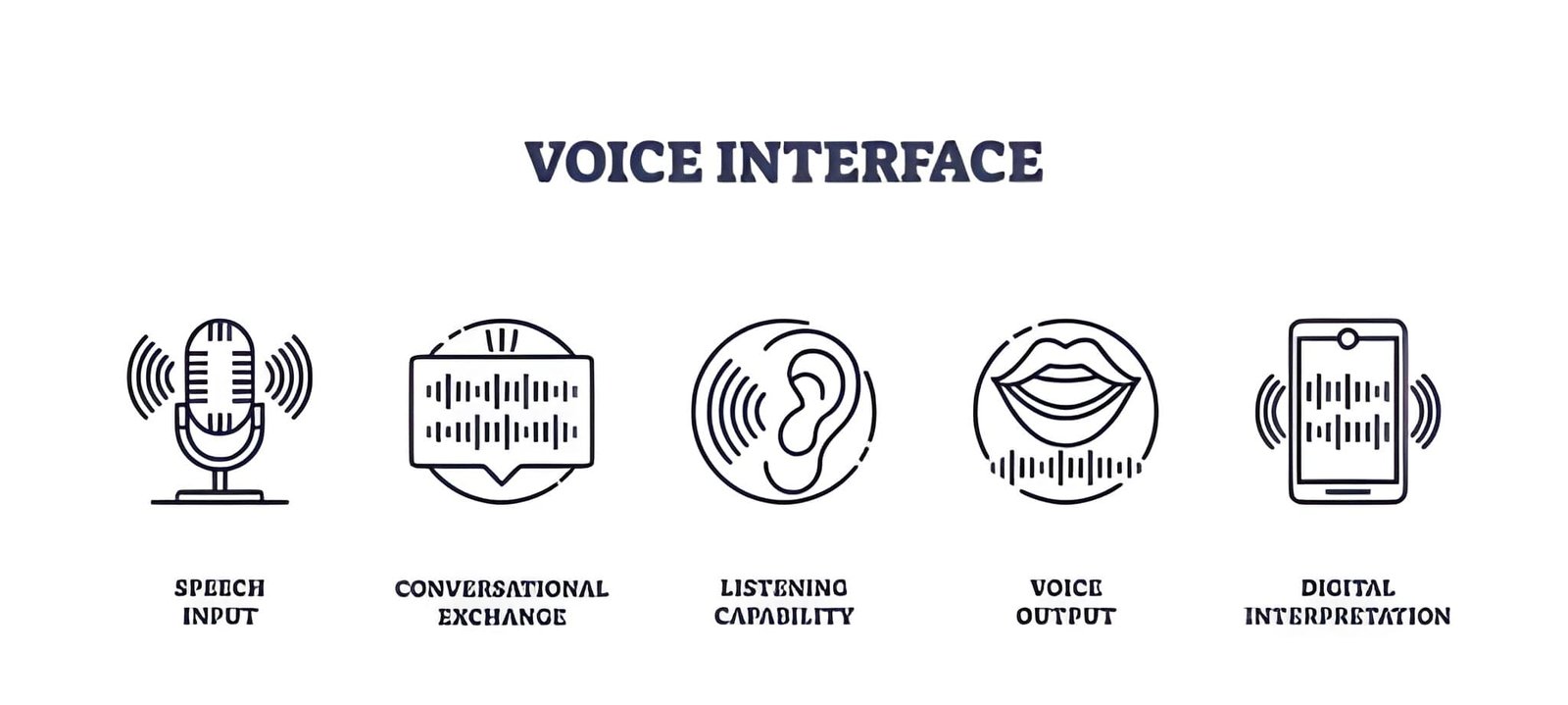
Understanding how the data from voice commands are being processed to improve search, analyze customer intents, and optimize the placement of products.
The Evolution of Voice-First Commerce
The integration of voice technology in modern commerce has become an everyday reality. With the rapid integration of voice assistants like Alexa and smart speakers such as the Amazon Echo, a significant shift in consumer behavior has been documented. These voice-activated devices assist in searching, shopping, and managing everyday activities.
Voice-first analytics is the growing practice of analyzing data from assistants like Alexa to understand and predict customer behaviors, preferences, and purchasing patterns. While conventional web analytics look at clicks, voice analytics consider conversations that capture context and intent in a more natural and effective way.
Tapping into Voice-first Analytics at Amazon and voice-enabled platforms offers businesses significant competitive advantages. Brands can enhance optimal product listings, marketing strategies, and improve customer intent discoverability through an understanding of customer voice requests and how Alexa responds.
Analysis of Voice-First Data
What is Voice-First Data?
Voice-first analytics is the analysis of data collected in response to a voice command and serves to derive information about behavioral and transactional information. The focuses are on:
patterns in natural language
conversational search
signals of intent to purchase
user behavior in context
patterns in device usage
metrics regarding skill engagement
Since voice and search are two distinct search methods and two distinct search modalities, we can assume that the form of interaction will affect the outcome of the interaction. Consider the following two search queries.
Typed query: “wireless earbuds”
Voice query: “Alexa, what are the best wireless earbuds under 5000 rupees?”
The difference is critical. This voice query demonstrates a concern for contextual decision making, behavioral comparison, and price sensitivity, in addition to revealing a more deeply contextual intent.
The Nature of Voice Data
Voice interactions provide multiple insights which, in most cases, are ignored:
Linguistic Data
This is data on words, phrases, and the structure of a voice command. This analysis serves to provide data on the structure of a voice command and the constituents of a voice command, such as
keywords
type of question
tone and style
synonyms and alternatives
Contextual Signals
These are data that derive context for the voice command such as:
time and place of the voice command
historical data about the voice command
behavior of other members of the household in a shared household context
Intent Classification
Voice AI systems use the historical data to classify the intent behind a voice command, including
transactional intent
reordering intent
navigational intent
Behavioral Flow
These data points are collected to provide insight on the fuller scope of the voice-driven behavioral journey. The following are outcomes of a voice command interaction:
Was the product purchased?
Was there a follow up to the voice command?
Did the user abandon the voice command request?
The Importance of Voice-First Analytics for Businesses
- Grasping Genuine Customer Intent
Voice searches demonstrate budget considerations, preferred brands, and urgency as well as use case examples, such as
“Alexa, I need a durable school bag for a 10-year-old under 3000 rupees.”
This query indicates a targeted customer, a school bag for a 10-year-old, and a price selling of 3000 rupees. Voice searches give a level of detail traditional searches may miss.
- Enhancing Voice Search Optimization (VSO)
Voice search optimization is not the same as traditional SEO. Voice search optimization involves the use of
– conversational, natural language-based keywords
– content in the form of questions and answers
– long-tail keywords in the form of natural speech
– organization of content through schema markup
Those brands that utilize and analyze data from voice searches are able to understand what questions are asked, what words are used as modifiers (cheap, best, top-rated, durable), and what differences exist in speech. These data allow businesses to refine product descriptions and listings to make them voice searchable.
- Voice Commerce Product Placement
With traditional eCommerce, customers can look at many products and choose what to buy. In voice commerce, customers receive just two suggestions from the AI.
Voice-first analytics provides insight for brands on:
Identifying the products that get recommended by Alexa.
Understanding why listings achieve higher rankings.
Determining how customer reviews shape voice-driven responses.
Discovering how reviews influence the role of Prime eligibility.
When considering how to improve voice placement, brands should aim to achieve:
Positive reviews
Descriptive titles of products
Affordable pricing
Relevance to voice-search queries
Key Metrics in Voice-First Analytics
In terms of voice data’s potential for the business, brands must focus on tracking the following:
- Query Frequency
The frequency of use for a particular voice command.
- Intent Conversion Rate
The rate of voice engagements that end in a purchase.
- Clarification Rate
The rate at which Alexa requires clarification.
- Reorder Behavior
The frequency of voice-ordered repeat purchases.
- Skill Engagement Rate
Applicable to brands that use Alexa Skills.
- Drop-off Points
The point at which users abandon the voice purchasing process.
Insights for the Alexa & Echo Ecosystem
The voice-activated analytics that Amazon provides through the Alexa ecosystem are:
Smart Home Integration
Routine-based shopping behavior is when users combine product searches with their daily activities, such as saying, “Alexa, add organic green tea to my shopping list.”
Routine-Based Commerce
The purchasing activities that occur during a users’ daily morning routine may include:
Reordering coffee
Purchasing household essentials
Multi-Device Behavior
Users tend to alternate between:
Echo devices
The Alexa app on their mobile devices
The Amazon website
These behaviors are connected through voice analytics.
Retrieving Customers’ Intent from Voice Queries
Interrogative Queries
Common voice queries include:
“Which one is the best…”
“Retrieve me…”
“Place an order…”
“What’s the price of…”
“Show the comparison…”
Studying these helps the brands to:
Improve the FAQs
Change the descriptive text for a product
Showcase the comparison
Emotional and Time Sensitivity Words
Certain words show time and emotional sensitivity:
“Immediate”
“Fast delivery”
“Emergency”
“Low price”
Such words assist the businesses to:
Change the pricing policy
Advertise the speedy shipment
Show intensity
Optimizing Voice Search Product Listings
- Incorporate everyday words
For example to describe the product as “Premium Quality Stainless Steel Water Bottle”
Change it to “Durable stainless steel water bottle for gym and travel.”
- Add content in the form of questions
Ask the FAQs to include the following questions:
Is this bottle leak-proof?
Is it BPA free?
What sizes are available?
- To prefer the featured snippet type responses
Voice search units like responses which are direct and to the point.
- Use the local language references
In Pakistan and India for example, direct voice questions such as “Alexa, best cheap mobile under 30000” are common.
Comprehension of this form of language use will improve rank of the searchContribution of the voice analytics and AI personalization system
The AI personalization systems analyze voice analytics and
Identify repeating purchasing patterns
Identify brand preference
Identify purchasing seasonality
Identify consumption patterns through households
This allows for
Suggestions for smart reordering
Recommendations based on previous purchases
Real time relevant suggestions
Privacy and ethics
Businesses must
Comply with laws of privacy
Not keep raw voice recordings
Use voice data that has been de identified
Anonymization of voice data
Data policy transparency
Trust is an imperative factor in ecosystems that use voice data.
Upcoming trends for analytics based on voice
- Multilingual support in voice intelligence
Support for all regional languages and dialects
- AI that can detect emotions
Tone detection is needed to measure different levels of customer satisfaction
- Commerce that is hybrid and is both voice and visual
Commerce through voice and screens (Echo Show devices)
- Commerce through anticipating voice commands
Anticipatory actions should be taken to sell a product.
Business strategic framework
Step 1. Voice interaction data collection
Data obtained through Alexa Skills and analytics dashboards of Amazon
Step 2. Intent Categorization
Data obtained should be classified to determine if the query was for information, to perform a transaction, or to navigate.
Step 3. Listings should be Optimized
The titles and descriptions of the listed products should be aligned to the queries that are expected in a natural language.
Step 4. Let Performance be your Guide
Monitor all conversions that are caused by voice interaction.
Step 5. Continuous Iteration is Required
The language used by the voice command systems will change. Be prepared to change your system in response.
Competitive Advantage Through Voice Insights
Businesses that implement voice-first analytics enjoy:
Increased search visibility
Higher conversion rates
Increased customer satisfaction
Improved brand recall
Early-mover advantage
As voice commerce continues to grow, market leaders will be differentiated from laggards with data-driven voice strategies.
FAQs
- What is voice-first analytics?
Analyzing voice-first analytics offers insights into customer intent and behaviors based on voice commands from devices like Alexa and Echo to recognize purchasing behaviors.
- What are the differences between voice search and typed search?
Compared to typed searches that are usually quick and focus on specific keywords, voice searches tend to be longer and more rich in context.
- Why do Amazon sellers need to voice-optimize?
Because Alexa offers limited recommendations, voice optimization increases the likelihood of being the top suggested product.
- What voice-related data can businesses collect?
Businesses can track answer phrases, intent, conversion, re-order, and engagement metrics.
- What strategies can brands use to make product listings voice-search-friendly?
Brands should use natural-sounding phrases, answer relevant questions, and write simple and concise descriptions.
- Do voice analytics aid in personalization?
Yes, voice analytics improve the ability of AI to base recommendations on user behavior patterns and conversational context.
- Is voice data secure?
While reputable services do anonymization and encryption, businesses will still need to ensure compliance with privacy laws.
- How do reviews impact voice commerce?
Voice assistants are likely to recommend products that have high ratings and quality reviews.
- Will voice-first analytics aid small businesses?
Yes, small businesses can also adapt their product listings for conversational search for better visibility.
- What can we expect from voice commerce?
Voice commerce is poised to become more predictive, multi-lingual, and visually integrated.
Conclusion
Voice analytics is a game changer for businesses. While traditional analytics may tell you what content customers are engaging with, voice analytics tells you how and why customers are engaging. This is the first time businesses will have access to real human language analytics. This will enable businesses to analyze, capture and hyper-target the specific language, encapsulated meaning, and emotional signals of their customers.
For brands in the Alexa and Echo ecosystem, voice analytics is not an option, it is a necessity. Businesses must analyze the conversational queries of customers, optimize their product listings, and synchronize with the recommendation algorithms to achieve better ranked voice search results.
Those who excel in voice analytics will be the pioneers of the voice commerce era.