Sustainability Scorecards & Regulatory Compliance on Amazon

How Are Sustainability Scorecards Used by Amazon
In reality, the majority of sellers do not contemplate sustainability until there are sales consequences. Amazon is beginning to use scorecards indicating eco-friendliness of a product and its packaging. Scores mean a great deal when it comes to customers who care about the environment.
The system analyzes certifications, packaging recyclability, and materials. For instance, products that are Forest Stewardship Council (FSC) certified or ship in their own packaging are higher scorers. Visibility can increase when the product is filtered under sustainability.
The Importance of Compliance
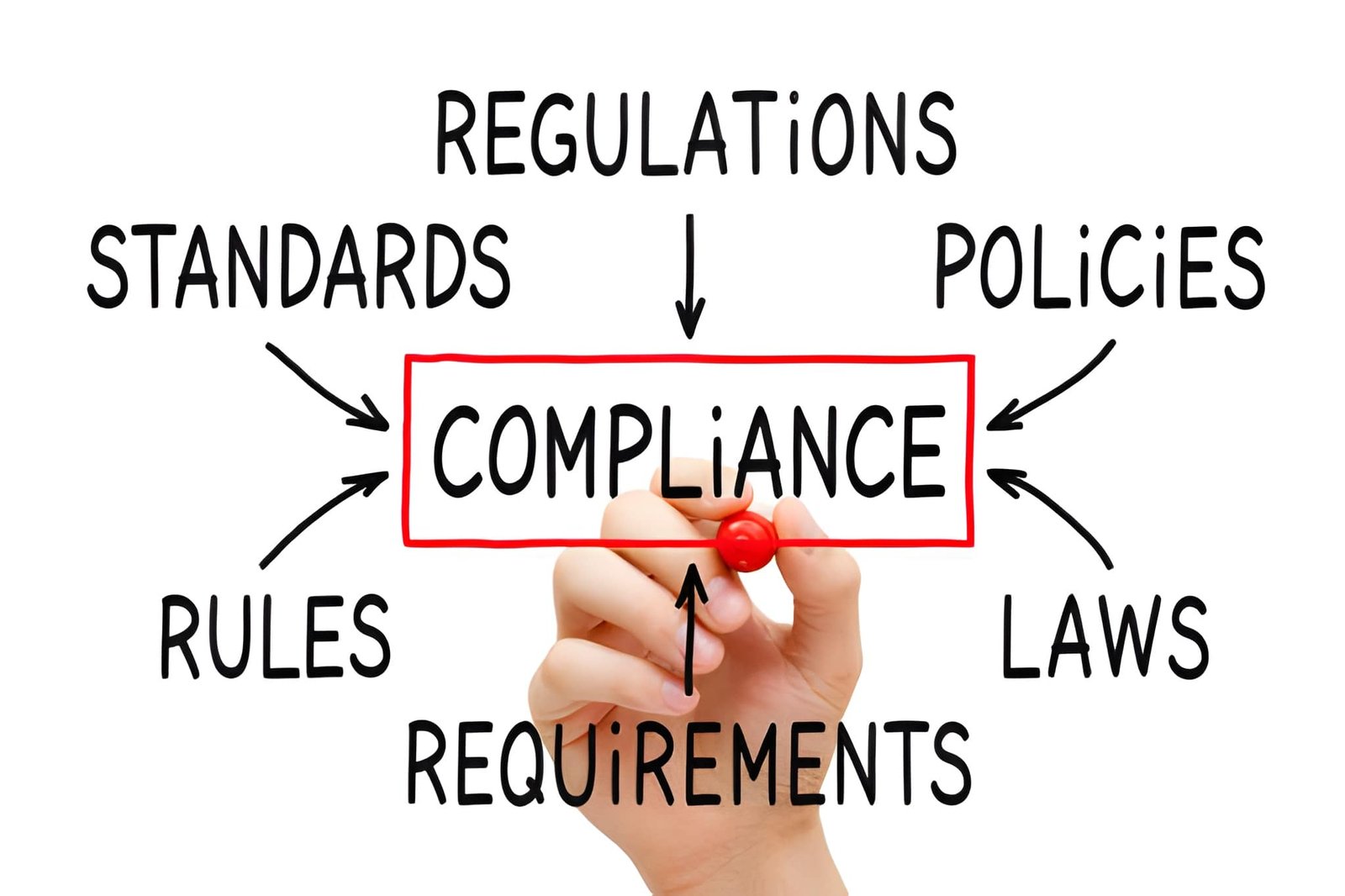
The majority of people do not know that Amazon is serious about compliance. You cannot just make a claim that your product is eco-friendly; you need to prove it. Recyclable material certifications and carbon footprint documentation are common requirements.
From my observation, small brands are the ones that forgo this step and as a result suffer reduced visibility. Amazon can flag listings when sustainability claims are unsubstantiated, and getting the listing unflagged can take a long time. Compliance not only eliminates unwanted issues, but also maintains product visibility.
Climate disclosure rules seem difficult, but are mostly about the environmental impact of your product. Amazon requests sellers to share the impact of their product packaging, emissions, and energy use.
For example, sellers of electronics may need to show energy-efficient certifications, and clothing brands are required to show what their materials are, and that they are responsibly sourced. Buyers appreciate sellers that provide climate data transparency.
Amazon encourges sellers to reduce packaging waste. Products that can ship safely in their original packaging, or products that use recyclable materials, are more likely to gain those points.
For example, a small home goods brand I know of, switched from plastic to molded pulp packaging. Their products became Climate Pledge Friendly and they also reduced costs on shipping. The change in packaging improved their sales gain when customers showed appreciation of the eco-friendly packaging.
Recycling packaging tips:
1. Use materials that are recyclable.
2. Label packaging with recycling information.
3. Use no or minimal filler.
4. Avoid oversized packaging.
Amazon takes into account certifications, packing, and material composition, along with energy use, to assign a sustainability score. Products that fulfill more criteria tend to perform better.
Exemplifying sustainability, an applicant for awards in this promotional event was a kitchenware brand that used stainless steel utensils with recyclable packaging and was responsible with sourcing materials. Products like this have higher visibility in search, assisting with targeting customers seeking sustainability.
Sustainability Score Advantages
Directly influencing sales, having a high sustainability score brings different benefits such as;
Increased visibility: Products are shown in eco-friendly filters.
Increased customer trust: Sustainability compliant customers prefer the products.
Cost efficiency: Shipping fees are reduced with eco-friendly packaging.
Regulatory compliant: Prevents potential penalties and the need for forced removal of listing.
What If Steps Offered To Sellers Improve Sustainability Score
Usually, this is what I say to sellers:
Audit packaging: Assess packaging for recyclability and waste reduction.
Certification: Seek reputable certifications such as FSC, GOTS, Energy Star and the like.
Listing updates: Ensure certifications, materials, and recyclability status are in the listing.
Score tracking: To analyze progress, Amazon Sustainability Solutions Hub is helpful.
Document everything: Maintain your data; it could come in handy for an audit.
Please Avoid These Mistakes
Sellers tend to make goals claiming eco-friendliness and Amazon will likely flag it, leading to reduced visibility. Oversized packaging is also a common mistake as boxes with larger dimensions increase carbon emissions, as well as the sustainability score.
Also, consider leaving backend listing attributes blank or inaccurately filled as they can limit eco-conscious customers.
Real-Life Example
After earning the Climate Pledge Friendly badge, a small electronics brand noticed a significant increase in clicks and conversions a few months after switching to recyclable packaging and including energy efficiency information.
This illustrates how sustainability scorecards and compliance do not simply exist to ‘check a box.’
How to Monitor Your Sustainability Score
The Sustainability Solutions Hub in Seller Central provides information on your products and the scores while listing the areas to improve.
Some sellers focus on this dashboard to analyze their product lines to identify compliance challenges. For example, if they notice a category where a packaging issue exists, they may implement changes to improve their scores.
Tips for Long-Term Compliance
Stay informed on packaging and eco-friendly regulations.
Renew your certifications on time.
Educate your staff on sustainability.
Request information from your suppliers on their materials, emission levels, and sustainability.
FAQs
1. What is a sustainability scorecard on Amazon?
It indicates the degree to which a product and its packaging are eco-friendly.
2. Why is regulatory compliance important?
It maintains the visibility of your listings and avoids punitive measures.
3. How can I make packaging recyclable?
Use paper, cardboard, or recyclable plastic packaging, and cut back on fillers.
4. Which certifications does Amazon recognize?
FSC, GOTS, Energy Star, Rainforest Alliance, and other approved certifications.
5. Does a sustainability score affect sales?
Yes, scores do positively impact your visibility and buyer confidence.
6. Can I update my product listing for sustainability?
Yes. You can update your certifications, materials, and packaging.
7. What is the Climate Pledge Friendly Badge?
It is a badge indicating that a product has satisfied Amazon’s requirements for sustainability.
8. Do I need to provide carbon footprint info?
It is encouraged, especially with products that are more actively climate damaging.
9. Can small brands benefit from sustainability programs?
Yes, small improvements to packaging and materials can go a long way.
10. How often should I check my scorecards?
Monthly scorecard checks are the recommended frequency to avoid reporting issues.
11. What happens if my product isn’t compliant?
Your listings will likely be suppressed until the compliance issues are rectified.
12. What’s the difference between certifications and labels?
Certifications are independently verified, while labels indicate compliance to the buyer.
13. How do I qualify for the Climate Pledge Friendly badge?
To qualify, you would need to be recognized for one or more certifications or for participating in the sustainability programs.
14. Can packaging changes reduce shipping costs?
Yes. Using lightweight and easily recyclable materials often reduce shipping costs.
To begin with, sellers first have to?
Review the existing package configuration and collect the relevant certification documentation.