Product Lifecycle Management: From Introduction to Retirement

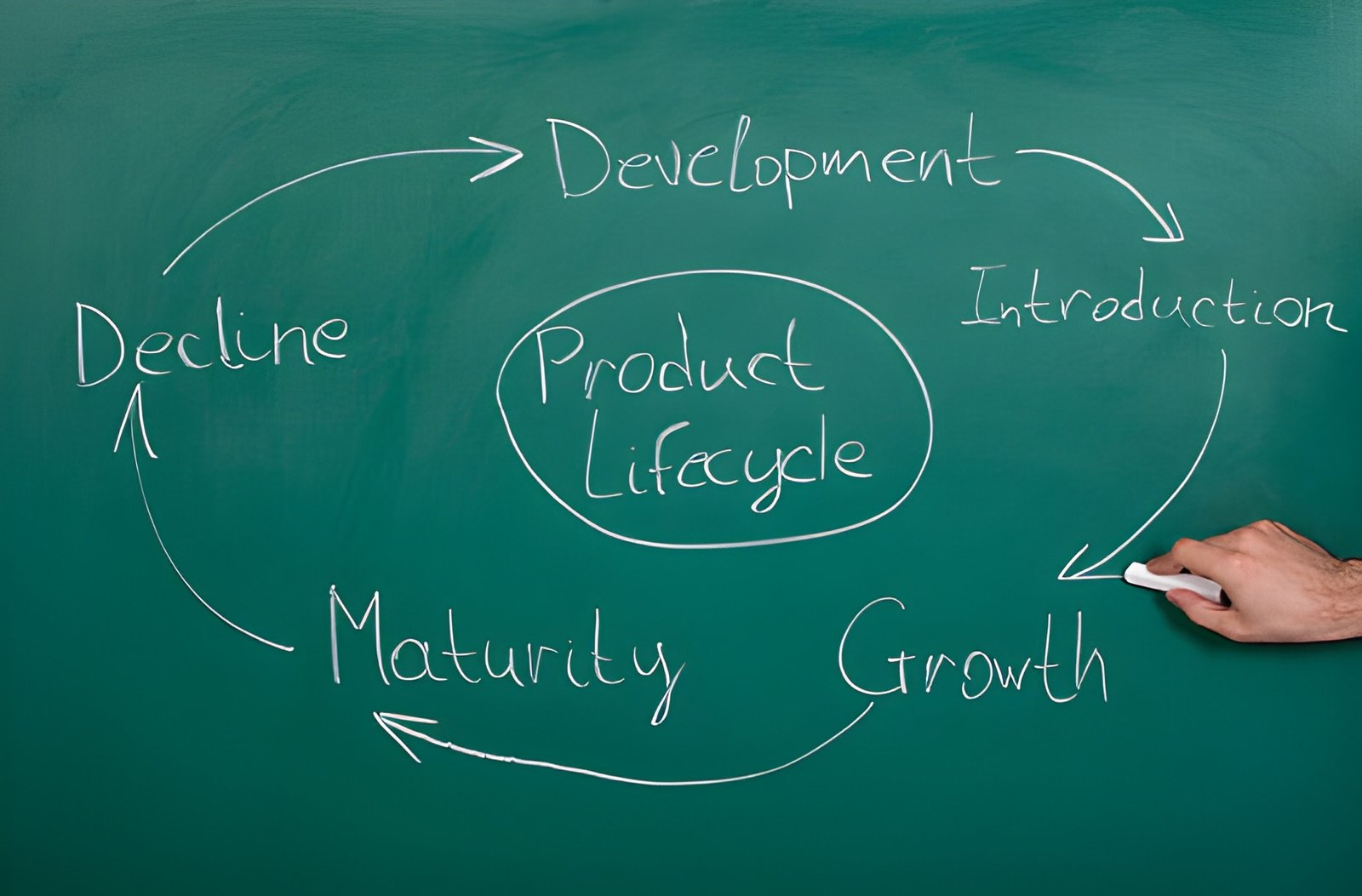
From launch to retirement, every product goes on a long journey. Effectively analyzing the product journey is termed Product Lifecycle Management (PLM). Even for Amazon sellers and eCommerce brands, optimizing every stage of a product allows for better decisions on the product, price, stock, and promotion to avoid losses during the product’s life cycle.
Continuing, we will analyze and summarize the optimized ways to manage slow moving stock and maximize profit at every stage of the product life cycle.
What is Product Lifecycle Management (PLM)? Explain:
Product Lifecycle Management entails the oversight of an item’s life, from the introduction of an idea and the item to its withdrawal. Active oversight entails the adjustment of strategies and analysis of profit gains at every stage to track the satisfaction of the target customers.
Example:
Consider a popular leather tote bag on Amazon. It first gets launched, then captures initial attention, follows on being a best seller, faces competitors, and then gets overshadowed and replaced by more modern bags. Defining a robust strategy for each stage, increases the chances of turning excess inventory into profit.
Tools:
Amazon Business Reports
Google Trends
Zoho Inventory
Skubana
Helium 10 Inventory Protector
SellerBoard
Jungle Scout Profit Dashboard
Action:
Establish a framework that records and reviews your product line’s sales, seasonal trends, and response analysis for feedback from customers. This is invaluable for effective product lifecycle overall management.
2. The Product Lifecycle Stages
Every product has 4 fundamental levels. These are Introduction, Growth, Maturity and Decline. Here, we will discuss what actions to take strategically on each phase.
Stage 1, Introduction (Launch Phase).
This is when your product first gets on the market, and maximization of awareness and visibility is key. Profit is mostly negative as sales are low and, as a first timer on the market, establishing marketing trust is costly.
You’re starting with a new organic face serum on Amazon which has a limited reach in the customer base. Hence, your focus would be on product listings, keywords, and initial reviews.
Tools:
– Amazon PPC Campaigns
– Social Media Marketing (Instagram, TikTok, Pinterest)
– A+ Content on Amazon for visual storytelling
– Email marketing tools for building early interest
Action Plan:
– Create a strong product listing – Use high-quality images, clear descriptions, and keyword-optimized titles.
– Offer launch promotions – Run discounts or coupons to attract early buyers.
– Gather social proof – Encourage genuine reviews and use them in your marketing.
– Monitor data – Track sales trends, click-through rates, and conversion rates daily to understand customer behavior in relation to your brand.
Goal:
Build awareness and generate early traction to the brand.
Stage 2: Growth (Scaling Phase)
Explain:
During the first stage, the product gains a certain popularity which in turn allows you to gain repeat customers. This is the stage in which you must expand your reach and scale your operations.
Example:
Your organic face serum begins receiving excellent reviews and ranks on page one for “natural face serum.” Sales double each month.
Tools
Amazon Brand Analytics
Keyword Expansion Tools (Helium 10, Jungle Scout)
Automated Repricing Tools
Inventory Forecasting Tools
Action Plan
Optimize PPC campaigns – Concentrate on high-performing keywords while minimizing wasted spend.
Expand distribution – Provide bundles, variations (sizes/scents), or list on multiple marketplaces.
Manage inventory wisely – Predict stock needs to prevent stockouts and overstock situations.
Build brand identity – Sign up for Amazon Brand Registry to safeguard and control your brand, along with access to additional tools.
Goal
Maximize visibility, increase market share, and maintain consistent supply.
Stage 3: Maturity (Profit Optimization Phase)
Explain
This is when the product is at its peak. Sales become stable but so does the competition. Price wars, saturation, and diminished market share become your focus.
Example
After one year, many other brands release similar face serums. Your product still sells well, but the growth has diminished.
Tools
Competitor Analysis Tools (Keepa, CamelCamelCamel)
Amazon Coupons & Promotions
Inventory Turnover Reports
Profit Margin Calculators
Action Plan
Differentiate your product – Unique packaging, bundling, or a “limited-edition.”
Visibility – Ad campaigns should still be running while optimizing bids to maintain.
Repeat customers – This should be the focus with email marketing and loyalty offers.
Revise pricing tactics – Use small discounts and special offers to improve the odds of keeping conversion rates high.
Oversee dormant stock – Pinpoint the SKUs that spend longer on shelves and develop solutions to sell them.
Goal:
Achieve sustainable profitability, protect customer loyalty, and increase the product’s longevity.
Stage 4: Decline (Liquidation Phase)
Explanation:
Due to trends, substitutes, and consumer behavior changes, every product one day just slows down. The decline stage requires effective aftermarket product strategies and adapting to new offerings.
Example:
Your serum starts slowing down, and newer brands with better formulations enter the market. Before the old stock becomes dead stock, you need strategies to move it.
Tools:
Amazon Outlet Deals
Amazon FBA Liquidation Program
Flash Sales Platforms
Email Retargeting Campaigns
Action plan:
Run special clearance promotions – Use high discounts to sell stock in a short time.
Utilize and trust liquidation services – Use amazon’s FBA liquidation as a way to recoup a portion of your expenses.
Bundle with other products – Add slow moving products to fast selling product bundles.
Study customer feedback – Focus on understanding the reasoning behind the decline and learn from it to inform and avoid a similar situation in the future.
Prepare your next launch – Incorporate the feedback and the other learnings to plan a new and improved offering or a new complete product line.
Goal:
Recover expenses and current stock, lessen holding fees, and get ready for your next successful launch.
3. Managing Your Inventory Through Its Lifecycle
Good management of inventory is crucial for every stage of the product lifecycle. If management is poor, sales opportunities will be lost, or excessive stock will be left over, which ultimately hurts profitability.
Strategies for Every Stage:
During Launch: Keep limited stock on hand to test the market.
During Growth: Sales velocity analytics will indicate how much inventory is needed.
During Maturity: Consistent demand will indicate how much stock to keep on hand to avoid over or under stock.
During Decline: Reducing restocking slowly to allow for liquidation is the best for this stage.
Tip:
You can check how healthy your FBA is based on Amazon’s Inventory Performance Index (IPI) score system. High IPI scores will give you better inventory turnover and lower storage fees.
4. How to Handle Your Slow Movers
Slow inventory consumes cash and space. Here’s how you can avoid that:
1. Reprice Strategically – Change your price to be the lowest in your market.
2. Create Bundles – Slow sellers can be paired with fast-selling items.
3. Offer Promotions – Coupons, Lightning Deals, and Buy-One-Get-One offer schemes work too.
4. Revamp Your Listings – Change your images, bullet points, and add/exchange lifestyle images to give your product listing a better look.
5. Promote Advertising – Target meaningful keywords that will attract the audience.
6. Use Social Traffic – Promote on social media, blogs or through influencers.
7. Strategically Liquidate – If sales aren’t improving, consider using FBA Liquidation or other external clearing house options.
5. Maximizing Extractable Value at Each Stage
Here’s how you can ensure you earn the most at every stage:
1. Drive Decisions using Data
Data such as Amazon Brand Analytics, reviews, and keyword reports should drive actions, not guesswork.
2. Control Your Budget
It’s important to consistently monitor and control FBA fees, shipping costs, and advertising spend. Automating this with SellerBoard or Helium 10 Profits will also help.
3. Cross-Sell and Upsell
Recommended additional products can help increase your average order value. If you sell a face serum, for example, you can recommend a face mask or moisturizer.
4. Healthy Cashflow
Maintaining a healthy cash flow means not overstocking during slow periods. This also means using profits for product research and/or marketing.
5. Evolving Products
Don’t wait for the decline phase. Customer driven upgrades to your products, or new planned products will help keep you ahead.
6. Technology and Product Lifecycle Management
Technology simplifies PLM. Automation can forecast you and analyze trends to tell you when to restock and when to liquidate.
Recommended Tools
Helium 10 & Jungle Scout – Product tracking, keyword analysis, and profit analysis.
Zoho Inventory or Skubana – Real-time inventory management.
SellerBoard – Profit and loss analytics.
DataHawk or ManageByStats – Tracking analytics, and growth lifecycle.
ManageByStats or DataHawk – Analytics, growth, and lifecycle tracking.
Data-driven decision-making is the best.
7. The Value of Product Lifecycle Strategy for Amazon Sellers
Amazon’s competitive ecosystem and millions of sellers make the importance of strategic PLM incredibly valuable.
Benefits
Reduced dead stock and storage fees
Better forecasting
Consistent visibility
Higher profitability
Smoother transitions
A proactive approach improves your business irrespective of the products that come and go.
Conclusion:
Product lifecycle management is tracking sales and strategic thinking. Each stage presents an opportunity to learn and improve, and the emotional cycle of each stage captures the most daunting challenge of liquidation and wash. The excitement of launch is the greatest obstacle to repeat.
Proven tools, smart inventory management, loss optimizing, and active data monitoring help build a sustainable, profit-generating business through multiple product cycles and declining cycles.
A product will have an ending, but your brand will evolve.
FAQs
1. What is Product Lifecycle Management (PLM)?
Managing a product from conception to retirement is known as product lifecycle management (PLM). This process includes planning production, marketing, and controlling inventories, as well as product liquidation at the end of its life. At every stage of a product’s life cycle, the aim is to maximize profit and minimize waste.
2. Why is PLM important for eCommerce and Amazon sellers?
PLM enables sellers to take calculated, data-based approaches to managing inventory, pricing, and marketing. Each product stage has unique characteristics, helping sellers optimize advertising, avoid overstock, and identify the perfect moment for product launches.
3. What are the main stages of the product lifecycle?
There are four main stages:
Introduction – Launching and creating awareness.
Growth – Increasing sales and market share.
Maturity – Maintaining profits and handling competition.
Decline – Reducing stock and liquidating before discontinuation.
4. How can I manage inventory effectively during the product lifecycle?
Using tools such as Zoho Inventory, Skubana, or Amazon’s Inventory Performance Index (IPI), and other inventory management tools is the first step. Regularly check sales data, avoid overstocking, and forecast demand based on past data and seasonal trends to manage inventory effectively.
5. What are some effective strategies for slow-moving products?
Slow-moving products require different strategies. Consider lowering the price, offering discounts, bundling them with best-selling products, improving the listings, and running targeted promotions. If the product is still selling slowly, Amazon’s FBA Liquidation Program and clearance sales can help recover some costs.
6. How can profits be increased during a product’s maturity?
Increase profits during a product’s maturity stage by focusing on customer loyalty and improving product quality. Bundling, limited editions, offers, and ROI-driven ad optimization can assist with profit increase goals. Make sure your pricing is competitive and customer input is used to keep products relevant.
7. How can I tell if a product is entering the decline stage?
Your product’s decline stage can be spotted with: steady sales decline, lower competitive search rankings, more returns, and increased competitive pressure from other sellers. At this point, reduce restocking, and offer clearance pricing, or plan a restock with improved features or other upgrades to drive sales.
8. What are some tools to help with Product Lifecycle Management on Amazon?
Some tools for managing product lifecycle on Amazon include: Helium 10 for product tracking and request for a keyword, Jungle Scout for sales analytics and profit insights, SellerBoard for profit/ loss monitoring, and DataHawk for lifecycle analytics. These tools help with automated analysis and more effective decision-making.
9. The Impact of PLM on My Brand Success?
PLM is valuable in helping you maintain a consistent and reliable stream of profitable merchandise. This helps keep dead stock to a minimum, improves your competitiveness, and aids in cultivating a trusted evolving mark that integrates with prevailing market trends.
10. How Do I Plan For A New Product Launch After Liquidation?
Analyze historic data on your prior products (customer feedback, keyword performance, sales data and trends, etc.), to design a better iteration or a new line of products. Launch with limited, aggressively marketed volume and expand as sales stabilize.