Optimize Your Amazon Brand for Alexa Voice Shopping

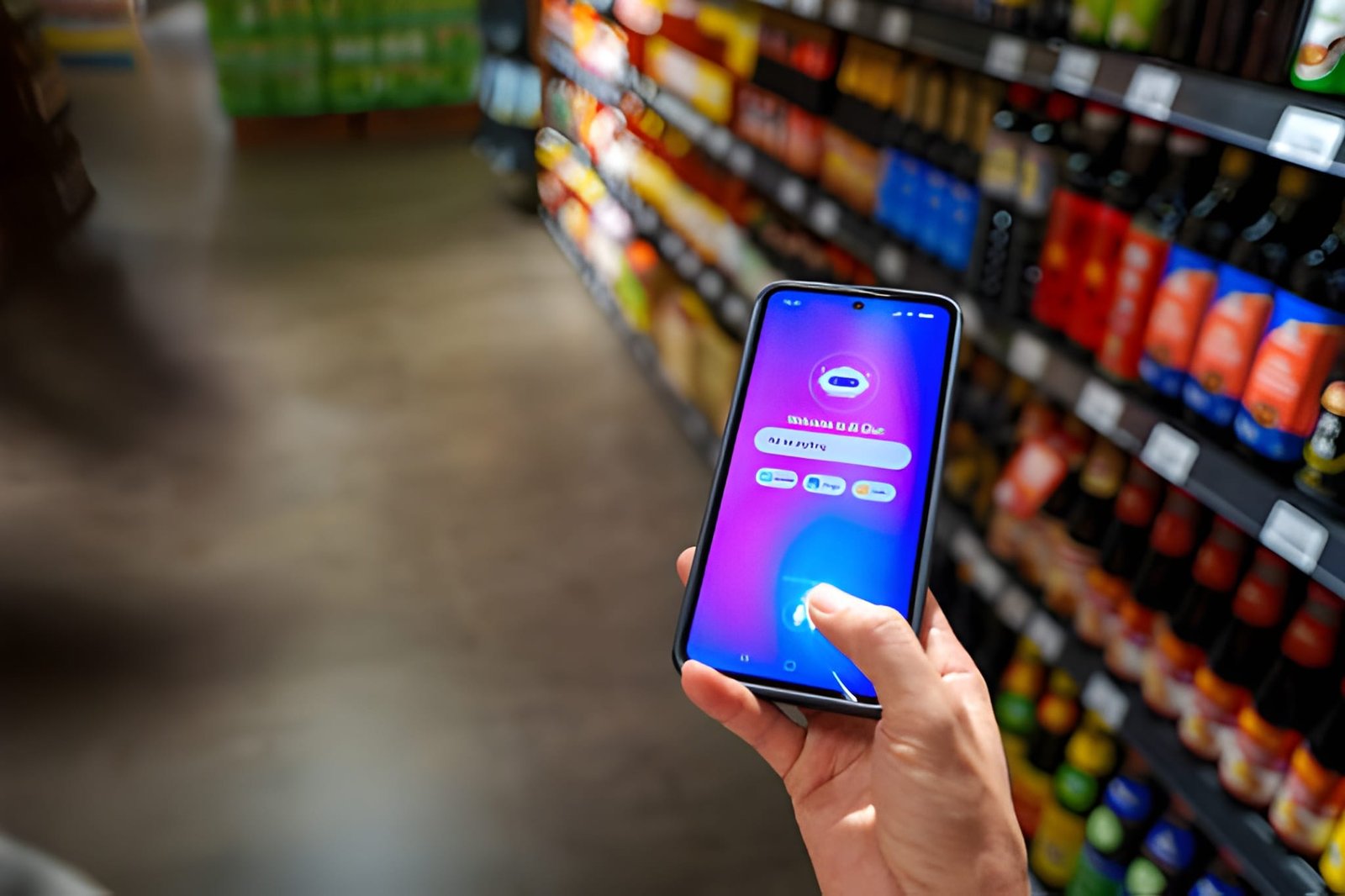
Voice Commerce and Optimizing Shopping via Alexa
The change in the world of online shopping is nothing less than phenomenal. Voice shopping is a growing trend and customers are getting more and more comfortable with it. Voice commands such as “Alexa, reorder paper towels” and “Alexa, find the best wireless headphones” are commands that are common in the world of shopping.
The trend presents opportunities for Amazon sellers. Capitalizing on this trend by optimizing Amazon listings for line Alexa and other voice devices will position your products more favorably in the voice shopping market.
In the following sections, we will look at the various aspects of voice shopping and provide you with some information on how Alexa selects items and provide you with some actionable items you can take in preparation for the new shopping outlet stream.
Understanding the Growing Field of Voice Commerce
Voice commerce is shopping via commands that are spoken and eliminates the need for physical screens. Smart voice assistants like Amazon Echos, Google Home and Apple HomePod and Alexa are the top voice assistants for shopping. Of all the players in the market, Amazon Alexa is the market leader, providing Amazon sellers with more unique benefits.
For many people, Alexa has become a daily assistant to accomplish a multitude of activities, from reminding users of key actions to playing songs, and, of course, online shopping. For instance, customers can use commands like:
“Please, Alexa, buy toothpaste.”
“Please, Alexa, search for a black leather tote bag priced under $100.”
The system identifies the best match on Amazon and provides the most relevant suggestion. For many users, the time-saving advantage and hassle-free process of hands-free shopping, especially for regularly stocked items, provides tangible benefits.
Importance Of Voice Commerce For Providers
The quick and efficient technology will increase the use of voice-enabled shopping options. For Amazon vendors, this translates to:
Lift In Visibility: Voice shopping can recommend only a single product for each search, thus bestowing Unequal benefits to the dominant products for each search.
Enhanced Brand Affinity: Alexa tracks a consumer’s favorite items or brands, enabling seamless repeat ordering.
First-Mover Advantages: Vendors will gain optimal status in voice commerce if they choose to enhance their product speeds very early.
Ease In Decision Paths: Users will have fewer steps to complete with voice-enabled shopping, thus improving purchase completions.
Bottom Line, if your products are not designed to optimize for Alexa, you are letting a fast-expanding sales opportunity slip.
Amazon Listings – The Starting Point For Voice Optimization.
Your Amazon listing acts as your digital storefront. It’s also what customers’ voice commands are directed to when Alexa assists in shopping. For effective voice commerce, your listing needs to be clear, descriptive, and as voice command optimized as possible.
Here are some important approaches to optimizing your product listings for Alexa.
1. Incorporate Natural Language Keywords
Voice search queries are usually more conversational and informal than text-based searches. For example, a user might type “leather tote bag women brown,” but ask, “Alexa, show me a brown leather tote bag for women.”
To be included in the above search results, use long-tail, conversational keywords, and incorporate modifiers such as “best,” “top-rated,” and “affordable.” Also, include descriptive adjectives that specify the color, size, and use of the product.
For example, “Tote Bag Women” can be rewritten as “Large Brown Leather Tote Bag for Work or Travel.” This approach enables Alexa to identify your product more accurately when customers use conversational speech.
2. Strive to Get the “Amazon’s Choice” Badge
Alexa regularly recommends products tagged as Amazon’s Choice. These products are usually well-rated and satisfy customers.
To earn this badge, ensure your product has a minimum of a four-star rating, offer Prime delivery, keep your inventory stocked consistently, and have low return rates along with good reviews.
When your product gets the Amazon’s Choice badge for a certain keyword, Alexa is more likely to recommend it for voice commands.
3. Optimize Titles and Bullet Points
Alexa analyzes your title and bullet points to determine the nature of your product. Thus, they need to be short, clear, and descriptive.
Bad example:
“Women Bag 2024 Model – Leather Handbag Tote Purse Zip Brown – 15-inch Strap”
Better example:
“Brown Leather Tote Bag for Women – Large Shoulder Handbag with Zipper and Inner Pocket”
Tips:
Limit titles to 150 characters when possible.
Make word choice simple and uncomplicated.
Bullet points should indicate benefits, not features.
4. Enhance Product Reviews and Ratings
Trust is essential in voice commerce. Products that customers love and highly rate are promoted by Alexa.
To boost star ratings:
Politely ask for feedback and close the loop.
Make and keep promises that you will fix customer service issues.
Clearly depicting your product using accurate and descriptive copy will drive and lower the volume of returns.
For example, coffee bean sellers providing flavor and brewing details advanced from 3.9 to 4.6 stars; Alexa increased product recommendations in searches.
5. Add Voice-Friendly Descriptions
Alexa will read your product description out loud, as well as potential customers. Create descriptions without jargon and complex sentences. For example, when describing a product you may say:
“Great for everyday use.”
“Real leather.”
“Durable and light.”
This will allow Alexa to communicate the description to users listening on smart speakers seamlessly.
Using A+ Content to Build Trust
A registered brand under the Amazon Brand Registry means the addition of A+ Content. These include product pages that consist of comparison charts, pictures, and storytelling.
A+ Content may also boost conversions for customers who research products before using voice commands, even though Alexa cannot visually “show” anything. It also builds brand recall, which is beneficial for repeat orders made by voice.
Alexa and Smart Devices – How They Choose Products
To improve your brand, optimizing the understanding of how Alexa recommends certain products is crucial.
Alexa employs a combination of data signals, including:
Amazon’s Choice and Best Seller badges.
Customer purchase history.
Eligibility for Prime shipping.
Positive ratings and reviews.
Voice-friendly keywords.
When a customer issues the command, “Alexa, find eco-friendly dish soap,” Alexa scans the listings that meet the voiced parameters and prioritizes the “best” product.
For instance, Alexa can easily match customer voice queries to your dish soap, if your listing contains “eco-friendly,” “biodegradable,” and “safe for sensitive skin.”
Optimizing for Reordering and Subscriptions
Voice shoppers can spend a large part of their shopping time reordering items they have previously purchased. Set up options that repeat voice purchases as easily as possible, and shoppers will incorporate the feature more often.
A customer might say, “Alexa, reorder my vitamins.”
If the customer has subscribed to the vitamins then Alexa will automatically add the vitamins to the customer’s shopping cart.
This assures customer retention over time and the unceasing expansion of sales.
Enhancing the Accuracy of your Listings
The accuracy of data is predicated on voice-activated shopping. Timely, accurate, and complete data is the only way to prevent Alexa from bypassing your products.
Continuously revise:
– Your product titles and product descriptions
– Your pricing and promotions
– Your inventory status
For example, to enhance the chances of being recognized by Alexa’s algorithm, data for each of your several sizes or color variations should have different keywords and titles.
Advanced Alexa Optimization Strategies and Brand Growth
Recognize Brand Growth for Voice Commerce
A customer’s ability to say and remember your brand name serves as fast recognition, streamlining the purchase completion process. A remembered brand name increases the likelihood of Alexa suggesting the customer’s products.
How to enhance brand recognition:
– Use the same brand name in all your listings, advertising, and A+ content.
– Begin product titles with your brand name (Example: LeatherLux Brown Tote Bag for Women).
– Maintain a consistent voice across descriptions, as well as, store and product pages.
Deliver exceptional service — clients frequently reorder by saying, “Alexa, reorder from [brand name]”.
Trust allows Alexa to link your brand to quality, heightening the likelihood of being voiced in suggestions.
Value the Importance of Conversational and Question Searches
Most voice queries people ask Alexa’s questions. “Alexa, what’s the best leather handbag for under $100?”
“Alexa, find me a water bottle that keeps drinks cold all day.”
“Alexa, show me top-rated organic shampoo.”
To gain ranking, add question-based phrases to your bullet points or descriptions. Employ expressions like, “Best for …, “Ideal choice for …,” and “Perfect if you need …”. Employing this conversational description improves the likelihood of your product being a natural response to voiced questions.
Make Custom Alexa Skills for Your Brand
Established firms are able to create custom Alexa Skills to extend interaction with customers beyond ecommerce.
What is an Alexa Skill?
It’s like an app for Alexa that customers can activate by voice.
An example is a coffee brand that suggests a skill that teaches coffee drinkers brewing tips.
“`
As an example, a skincare brand may provide clients with “daily beauty advice.”
As another example, a fitness brand may provide clients with “daily 5-minute workout guides.”
These interactions enhance brand loyalty, encourage brand visibility and incite positive consumer conversations about the brand.
Utilize Amazon Advertising for Voice Searches
Products advertised with Amazon Sponsored Ads will increase sales and engagement, and consequently, Alexa recognition.
Tips for ad optimization
Target voice search long-tail key phrases.
Broad match types should be used to capture natural language queries.
Focus advertising on best-selling Prime-eligible products.
Example
When “Alexa, find a reusable shopping bag,” is asked, an ad for “EcoBag Reusable Grocery Tote” is likely to be the first option provided based on both key word intent and relevance.
Improve Your Amazon Storefront and Brand Amazon Voice Recognition
Alexa acquires voice recognition skills based on a guided structure and commands with repeated use. She learns your brand and offerings.
Tips for a strong Storefront
Use simple, keyword-rich tabs for tiered navigation.
Highlight your best sellers.
Ensure a cohesive brand image in your product listings and across your Storefront.
Include lifestyle images depicting real-world use of the product and activities.
Structured data is used to strengthen brand recognition across the Amazon ecosystem, even if Alexa users don’t “see” your Storefront.
“`
Ask for Reviews that Reference Alexa
Customer reviews hold significant value. When customers mention that they use Alexa to order or reorder your product, this positively impacts your ranking for voice searches.
Consider this example:
“I ordered this through Alexa, and it came fast!”
This tells Amazon’s system that your product is compatible with voice commerce, and is likely to be recommended again.
This can be seamlessly encouraged with a simple product insert or email that states:
“If you loved this purchase, try reordering through Alexa next time!”
Prioritize Mobile Optimization
Voice shoppers frequently initiate searches on mobile and complete them using Alexa, or do the opposite. Ensure your listings appear mobile.
Use high-quality main images.
Keep bullets short and scannable.
Position key features in the first few lines of your description.
A smooth mobile experience enhances voice recognition, as Alexa draws the same information from your product listing.
Monitor and Assess Your Performance
Currently, Amazon does not provide a specific “voice commerce dashboard,” but you can still evaluate performance through proxy metrics.
Keep an eye on the:
Gains in “Amazon’s Choice” tags.
Growth in branded keyword searches.
Repeat order frequency.
Customer reviews that mention Alexa or voice shopping.
These indicators demonstrate the success or failure of an optimization plan.
Remain Informed about Changes to Alexa’s Algorithms
Just as Amazon Alexa’s recommendation system changes, so does the A9 search algorithm. Keep an eye on:
News on Amazon Seller Central.
Alexa developer blogs.
Research on voice commerce.
Being the first to adapt to changes in the algorithm will ensure that your brand stays relevant as voice shopping expands.
Integrate Voice and Visual Marketing
Despite the audiocentric nature of voice shopping, visual content is still important. A number of Alexa devices, including the Echo Show, have screens.
Your infographics and videos must be of high quality and clarity.
Visuals will be instrumental in converting sales when Alexa displays your listing on the screen.
For the best results, voice optimization should be paired with visual storytelling.
The Future of Voice Commerce
E-commerce will one day be entirely hands-free, and analysts suggest that soon, a large percentage of Amazon orders will be voice-activated.
With the advancement of AI, Alexa will understand the nuances of customer speech, including what they want and when, their shopping patterns, and even their brand loyalty.
The depth of personalization will be profound, presenting a long-term opportunity to sellers who optimize their voice marketing.
If your brand is ready for this shift, you’ll be at the forefront of the market rather than trying to keep up with it.
FAQ
1. What is Voice Commerce?
Using voice-activated devices like Amazon Alexa and Google Assistant to purchase items is referred to as voice commerce.
2. How does Alexa choose which product to recommend?
Alexa considers the ratings and reviews of a product, whether it has an Amazon’s Choice badge, if it’s available for Prime shipping, and your purchase history.
3. Can small sellers benefit from voice commerce?
Yes, small sellers can take advantage of voice commerce provided they optimize their listings, receive positive reviews, and ship quickly.
4. What keywords work best for voice searches?
In voice commerce, the preferred keywords are natural, conversational, and longer phrases that typically include modifiers such as “best,” “affordable,” and “top-rated.”
5. What is Amazon’s Choice, and why does it matter?
“Amazon’s Choice” is a designation for high-quality, well-performing products, which are frequently recommended by Alexa during voice searches.
6. Can Alexa help increase repeat sales?
Alexa enables repeat sales by offering customers the ability to purchase items again through the “reorder” and “Subscribe & Save” commands.
7. How can I make my listings voice-friendly?
To make your listings voice-friendly, use succinct, simple sentences, incorporate natural spoken words, and ensure descriptions can be read aloud easily.
8. Does Alexa consider A+ Content?
Though Alexa does not “read” visuals, A+ Content still has the potential to improve trust, reputation, and ranking.
9. What types of products sell best through voice commerce?
The best sellers are the everyday essentials, like groceries, home goods, and pet supplies, although the sale of voice-ordered luxury goods has been increasing.
10. How can I start optimizing my Amazon listings for Alexa?
To start, revise your product titles, reviews, and keywords. You can get complete assistance through professional services like amz-doc.com.
Conclusion
The voice commerce phenomenon is not a passing trend, but rather the future expansion of e-commerce.
For the most part, customers comply with the phenomenon and voice commands, telling devices, “Alexa, order it,” making the purchase.
To be part of the voice commerce expansion, optimize your Amazon listings, reinforce your brand, and apply Alexa-compatible keywords.
You can start with simple measures like title rewrites, improving your reviews, and obtaining the Amazon’s Choice badge for your product. Then you can advance to developing Alexa Skills and custom voice experiences for your brand.
The faster you make changes, the more your brand can thrive.