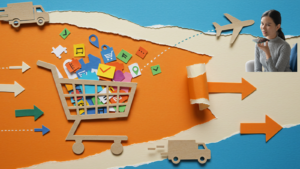
Mastering Amazon DSP: Retarget Shoppers, Build Brand Awareness, and Drive Traffic


Introduction to Amazon DSP
Over the past ten years, advertising has seen significant changes. Brands have embraced the power of digital ads and shifted their focus away from traditional ads on television and in print. One of the most effective digital tools available to advertisers is Amazon’s Demand-Side Platform, or DSP.
With Amazon DSP, advertisers can purchase display, video, and audio ads using programmatic advertising. This means advertisers can buy ads using automated systems, which makes the process much easier and faster. Advertisers are able to connect with their audience in a more meaningful way and at the right moment.
In this guide, we will explain everything you need to know about Amazon DSP, including how it works, the importance of Amazon DSP, and how you can use it to retarget shoppers, boost brand awareness, and drive external traffic to Amazon.
What is Amazon DSP?
Amazon DSP is a programmatic advertising platform that allows you to purchase advertising space on Amazon including their websites, applications, and third party sites. You don’t have to sell on Amazon to use DSP. Any brand can run DSP advertising.
Amazon DSP primarily relies on user data as trail and witness. Amazon records data on millions of users on:
What they search and hence think of buying
What they actually buy
What they place in their shopping carts
Buy frequency
The advertisers concentrate on very niche audiences based on this data. A niche audience of a sportswear brand can be a person in the last 30 days bought a pair of running shoes,
Why Is Amazon DSP Important for Brands?
Ad spend for most businesses is wasted simply because they are not directed at the right audience. Amazon DSP uses shopper intent data to remedy this.
Some of the key benefits are:
Buyers and Brands targeting and re-targeting based on shopping behavior, demographic, and history are possible
Ads are served not only on Amazon but also on associated apps, streaming services, and various websites
Direct access to advertising performance data to evaluate and improve future advertising campaigns
These benefits and others contribute to the predicated status of Amazon DSP in the marketplace.
How Amazon DSP Works
Let’s imagine an auction. Suppose a user goes to a website. In a couple of milliseconds, a DSP makes a bid to show an ad. Then, it chooses the ad based on how relevant the ad is, available budgets, and the targeting parameters.
The process is simple:
1. Audience Selection – The brand picks the target audience they want to reach.
2. Ad Creation– The ad is created, this could be a banner, a video or an audio ad.
3. Programmatic Bidding– The DSP places a bid for the ad space.
4. Ad Display – The ad is shown to the audience selected.
5. Reporting and Optimization – The system tracks the results and optimizes the ad for the next display.
This process continuously occurs, and accuracy of the ads improves over time.
Key Features of Amazon DSP
Amazon DSP is a powerful tool and this is the reason why.
Audience Insights – Helps you study the habits of your audience and customers.
Lookalike Audiences – Identifies new potential customers that resemble your best customers.
Retargeting Tools – Recaptures the attention of potential customers that did not buy.
Omnichannel Reach – Ads are shown on Amazon, IMDb, Fire TV, Kindle, mobile apps, and partner sites.
Brand Safety – Makes sure ads do not show on inappropriate or dangerous sites on the internet.
Amazon DSP for Retargeting Shoppers
Of all the uses for DSP, retargeting is one of the best. Shoppers frequently browse products without making a purchase, and retargeting ads can remind them to finish the transaction.
For instance, consider a customer who adds a pair of headphones to their cart but leaves the site without buying them. Later, they might encounter an ad for the same headphones when they’re watching a video on IMDb. This sort of reminder often encourages a purchase.
DSP allows retargeting at multiple points in the customer journey, including:
– Product viewers.
– Cart abandoners.
– Past buyers, for repeat purchases.
**Building Brand Awareness with Amazon DSP**
When launching a new product, you want to get the word out to a targeted audience. DSP lets you advertise to people who are most likely to buy your new product.
For a new coffee brand, for instance, you can advertise to people who bought espresso machines recently. Even if they do not buy the product right away, they will start becoming familiar with your brand.
To advertise, DSP uses display banners and video ads shown at intervals, and this builds a sense of trust and recognition over time.
Driving External Traffic with DSP
DSP is capable of sending traffic to sites that are not Amazon-owned.
For instance:
– Ads show up on news sites.
– Video ads run on streaming services.
Display banners can be part of apps too.
This enables brands to reach new customers that are not even on Amazon and might even go on to purchase the brand’s product on Amazon.
Best Practices for Using Amazon DSP
Setting goals first will help with DSP. Ask yourself, is it sales you want, traffic, or even brand awareness?
Strong creativity will also help. Quality images and videos will get the audience engaged.
Use Amazon’s data to pinpoint the target audience.
You will need to check reports and make necessary adjustments to the campaign.
Try using different ad formats and strategies.
Challenges of Amazon DSP
Every type of tool will have its own set of challenges and so is DSP.
Complexity is something every beginner will face and it is not the only one.
DSP will require a larger budget than the simple ads on Amazon.
There will always be brands that are competing for the same audience.
Weak creativity will always lead to poor performance regardless of how accurate the targeting is.
Every challenge is manageable when the right strategy is implemented.
FAQs About Amazon DSP
1. Do I need to sell on Amazon to use DSP?
No. Any brand can use DSP to reach Amazon audiences, even if they don’t sell on Amazon.
2.How is Amazon DSP different from Sponsored Ads?
Sponsored Ads appear only on Amazon, while DSP reaches across apps, websites, and streaming platforms.
3.How is Amazon DSP different from Sponsored Ads?
Sponsored Ads appear only on Amazon, while DSP reaches across apps, websites, and streaming platforms.
4. Is DSP costly?
Yes, DSP usually involves bigger budgets compared to Sponsored Ads. Nevertheless, the ROI can be higher.
5. Can small businesses access DSP?
Yes, but higher costs mean it is more appropriate for mid to large businesses.
6. What kind of advertisements can I use DSP for?
DSP supports display, video, and audio advertisements.
7. How does DSP perform retargeting?
DSP targets buyers who viewed products or added products to the cart but did not make the purchase.
8. Is DSP limited to the U.S.?
No, Amazon DSP is available in many countries worldwide.
9. Can DSP assist with brand recognition?
Yes, recognition and awareness can be gained through video and display campaigns.
10. What does success in DSP look like?
Success can be evaluated by tracking impressions, clicks, conversions, and return on ad spend (ROAS).
11. Is DSP self-service, or does Amazon manage it?
Both options exist. You can run it yourself or allow Amazon’s team to manage campaigns.