How Amazon Subscription & Replenishment Commerce Is Growing Fast

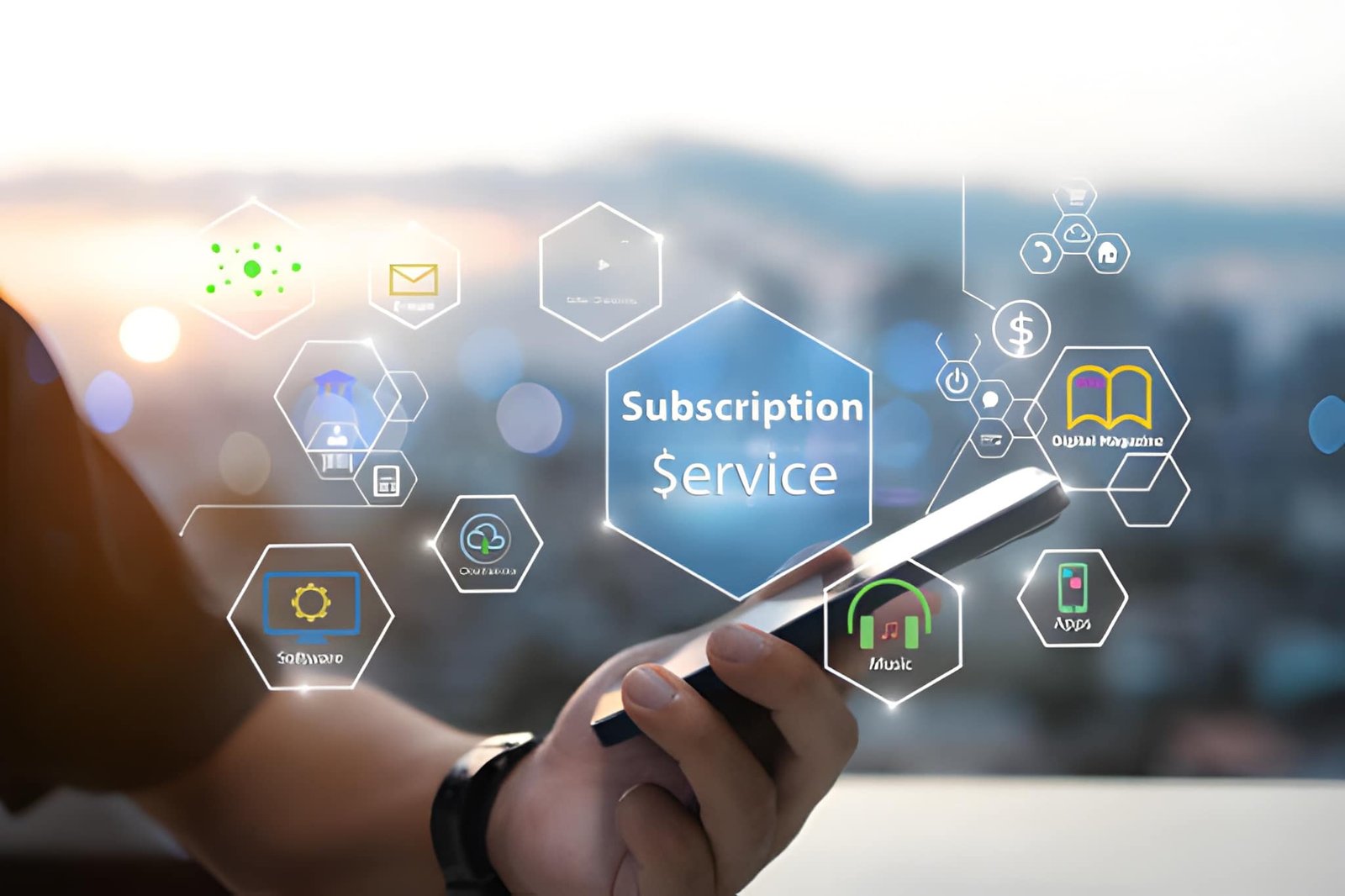
How Amazon’s Subscribe & Save, predictive reorder technologies, and consumable product cycles evolve customer value over time.
Amazon Subscribe & Save, plus Amazon’s predictive reorder technology for consumable products, has become one of the most valuable customer assets over time. As consumers become more and more convenience-oriented, subscription commerce alters the purchasing dynamic of consumable and replenishment products. Amazon capitalizes on large first-party data signals—purchase cadence and household patterns—to forecast when consumers will run out of critical items like dietary supplements, groceries, personal care, and pet products. These journeys minimize friction and, therefore, increase loyalty. As a result, customer lifetime value (CLV) increases. For brands, this results in greater revenue predictability, lower customer acquisition costs, and a more thorough understanding of customer consumption patterns. This article examines the evolution of subscription commerce, the innovative enhancements Amazon is implementing, and the ways in which brands can plan to thrive in this new replenishment-focused environment.
1. The Rise of Subscription Commerce on Amazon
Subscription commerce is now a fundamental element of Amazon’s retail ecosystem. Over the past ten years, Subscribe \& Save has evolved from a rudimentary discount loyalty feature to a refined engine of replenishment. Over this time, the following factors contributed to this expansion:
1. Consumer demand for convenience: Modern shoppers want seamless, effortless, automated purchasing.
2. Predictable product cycles: In the household, grocery, beauty, and health categories, repeat buying is highly frequent.
3. Amazon’s ability to leverage behavioral data: Unlike a retailer with a fragmented checkout process, Amazon has an overall centralization of user data across devices and behaviors.
Overall, the subscription model has strengthened Amazon’s repeat revenue streams and customer stickiness \& loyalty.
2. Subscribe & Save: The Core Engine of Replenishment Commerce
2.1 What is Subscribe \& Save?
The Subscribe and Save program on Amazon allows customers to receive recurring deliveries of commonly used and repeat-purchased products. Customers receive discounts, varying from 5 to 15 percent, for this service.
2.2 Why Customers Prefer Subscribe \& Save?
The program \& it’s subscription model helps to solve:
1. Forgetfulness – as essentials run out unexpectedly and this is when a purchase is required. Subscriptions eliminate the risk of forgetfulness.
2. Price stability – as locked discounts protect against fluctuations \& loss of value on the buy.
3. Convenience – minimal decision fatigue as the deliveries are automated, creating ease in purchasing.
2.3 Why Subscribe & Save is Key for Brands.
Brands create most of their profit with Subscribe & Save due to:
Safer recurring revenue.
Less customer turnover.
Increased customer value.
Better inventory management.
Increased marketplace visibility with Buy Box and ranked search visibility for high demand products.
3. Predictive Reorder Prompts/ Replenishment.
Economic subscription cycles do not always align with customer demand. Amazon uses algorithms to forecast when a customer may need a product.
3.1 How Predictive Reorder Works.
Amazon uses:
Purchase frequency history
Behavioral consumption signals
Benchmarks for the category
Estimated household size
Prior order and Prime membership records
To send messages like:
“It is time to reorder.”
“You may be low—order now for quick delivery.”
3.2 Importance of These Prompts on Reorder Conversions
The reorder prompts considerably raised:
Reorder frequency to expected cadence
Customer lifetime value
Cart conversions
Active subscription count increase
3.3 Predictive Reorder vs. Subscription
If a customer is ordering regularly but has not yet subscribed, Predictive Reorder is the ‘bridge stage’ that helps guide their behavior towards unsubscribed completion.
4. The Impact of Cycles for Each Consumable Product
The following are the consumable categories vital for the subscription and replenishment growth of Amazon:
Beauty (creams, serums, shampoo)
Health supplements
Pet food
Household supplies
Groceries
Baby essentials
These products are naturally aligned with a predictable cycle of consumption.
4.1 Short-Interval Consumables (Daily Use)
Cycle: 30-45 days
Examples: toothpaste, deodorant, vitamins
4.2 Medium-Interval Consumables (Weekly Use)
Cycle: 2-3 months
Examples: snacks, beverages, wipes
4.3 Long-Interval Consumables (Occasional Use)
Cycle: 3-6 months
Examples: cleaning solutions, filters, grooming kits
The understanding of these cycles assists brands in determining the best subscription frequency defaults.
5. The Data-Centric Advantage of Amazon in Subscription Commerce
The base of Amazon’s advantage is simply the top-tier first-party data.
5.1 Data Types Utilized by Amazon
– Purchase intervals
– Basket composition
– Demographic clusters
– Device usage patterns
– Seasonality
– Regional consumption behavior
This helps Amazon:
– Predict when a shopper would require a product
– Recommend subscription enrollment
– Adjust replenishment intervals in real time
– Enhance the next-best-offer (NBO) recommendations
5.2 Behavioral Signals and Machine Learning
Amazon’s ML models identify micro-patterns like:
– Increased consumption during holidays
– Variations in household usage
– Subscription pausing trends
– Reaction to price promotions
These signals continue to improve the suggestions for replenishment provided.
6. The Way Amazon Combines Subscription with Loyalty Ecosystem
Amazon associates Subscribe & Save with several loyalty elements:
6.1. Prime Membership
Members of Prime are likely to subscribe more compared to non-members because of:
– No shipping charges
– Special offers
– Early access to offers
6.2. Alexa Replenishment
Voice recognition technology brings in another channel. Example commands include:
– “Alexa, reorder my vitamins.”
– “Alexa, subscribe to a detergent refill.”
6.3. Dash Replaced
Smart home devices are designed to reorder supplies automatically when they run low:
– Printers automatically reorder the ink they need
– Water filters reorder their replacements
– Coffee machines replenish their stock of pods
6.4. Syncing Amazon Wallet Information
Amazon automatically alerts customers of expiring card details to prevent subscription gaps.
7. How To Help Brands Enhance Subscription & Replenishment
7.1. Ensure Your Product Is “Subscription Ready.”
Each product page should include:
– The benefits of its use
– Supporting imagery and infographics
– Clear dosing instructions
– Expected amount of use
7.2. Optimize Your Product Pack Sizes.
Larger packs tend to attract subscription customers because of:
– Decreased cost of each unit
– Longer replenishment times
– Increased value ($) per transaction
7.3. Enhance A+ Content to Improve Subscription Appeal
Make sure to include:
– Savings
– Health benefits
– Ease of use
– Repeated use
7.4. Provide Multi-Pack Variants
This allows support for diverse consumption patterns.
7.5 Encourage Subscription in The Listing
Add bullet point incentives in the listing so the consumers understand the benefits directly, such as:
• Save up to 15% with Subscribe & Save
• Never run out—easy auto-delivery
7.6 Win the Buy Box
Subscriptions demand consistent Buy Box possession. Enhance:
• Pricing
• Inventory levels
• Seller health metrics
7.7 Use Amazon Advertising to Drive Subscription Growth
Some of the most powerful ads to use might be:
• Sponsored Products
• Sponsored Brands
• Sponsored Display Retargeting
Especially in consumable products, targeting previous buyers is very effective.
8. Future Trends in Amazon Replenishment Commerce
8.1 Hyper-Personalized Subscription Intervals
Subscriptions may use AI to optimize according to individual user consumption.
8.2 Automatic Subscription Enrollment Prompts
We foresee Amazon enabling subscriptions by default, predicting usage patterns from before.
8.3 Smart Home & IoT Replenishment Expansion
There will be more home devices that can automatically reorder supplies when needed.
8.4 Unified Household Profiles
Amazon is likely to incorporate predictive modeling for family usage across devices.
8.5 Auto-Bundled Subscriptions
These will likely be segmented by lifestyle:
• Baby bundles
• Wellness bundles
• Cleaning bundles for Home
8.6 Sustainability-Focused Subscriptions
These will feature eco-cycles, refillable packaging, and eco-discount systems.
Final Words
Amazon’s subscription and replenishment programs are reshaping consumer shopping habits and revolutionizing brand sales strategies. With the help of predictive reordering, integrated loyalty programs, and customer value offerings, Amazon is fostering the expansion of customer interdependence. Those brands unpinning the workings of these systems, and optimizing accordingly, will earn the highest customer lifetime value, and will witness predictable monetary returns and increased market presence.
FAQ:
1. What is Amazon Subscribe & Save?
Recurring deliveries of select products at reduced prices along with purchase frequency.
2. How do predictive reorder prompts work?
Amazon’s AI identifies ordering behaviors and makes timely reorder suggestions.
3. Which subscription categories are the best performers?
Subscriptions within groceries and foods, cosmetics and beauty, household essentials, health supplements, and pet supplies.
4. Why is customer loyalty increased with Subscribe & Save?
The automation of the process aids in customer retention and encourages consistent buying behaviors.
5. What are the monetary benefits of subscriptions for brands?
Predictable monetary returns, better resource allocation, and increased customer lifetime value.
6. Are all products included in Subscribe & Save?
No—only consumable and replenishable products qualify.
7. How can brands drive subscription sales?
Employing A+ content, optimizing package sizes, and using transparent value propositions.
8. What is the difference between subscription and predictive reorder?
Subscription: scheduled frequency of deliveries. Predictive reorder: reminders triggered by AI.
9. Are customers able to unsubscribe at any point?
Certainly; there are no restrictions or penalties.
10. What trends do you think will influence future spending on Amazon subscriptions?
Personalized AI, Internet of Things (IoT) subscriptions, environmentally sustainable subscriptions, and subscription bundles.