Ethical AI & Algorithmic Transparency on Amazon Platforms

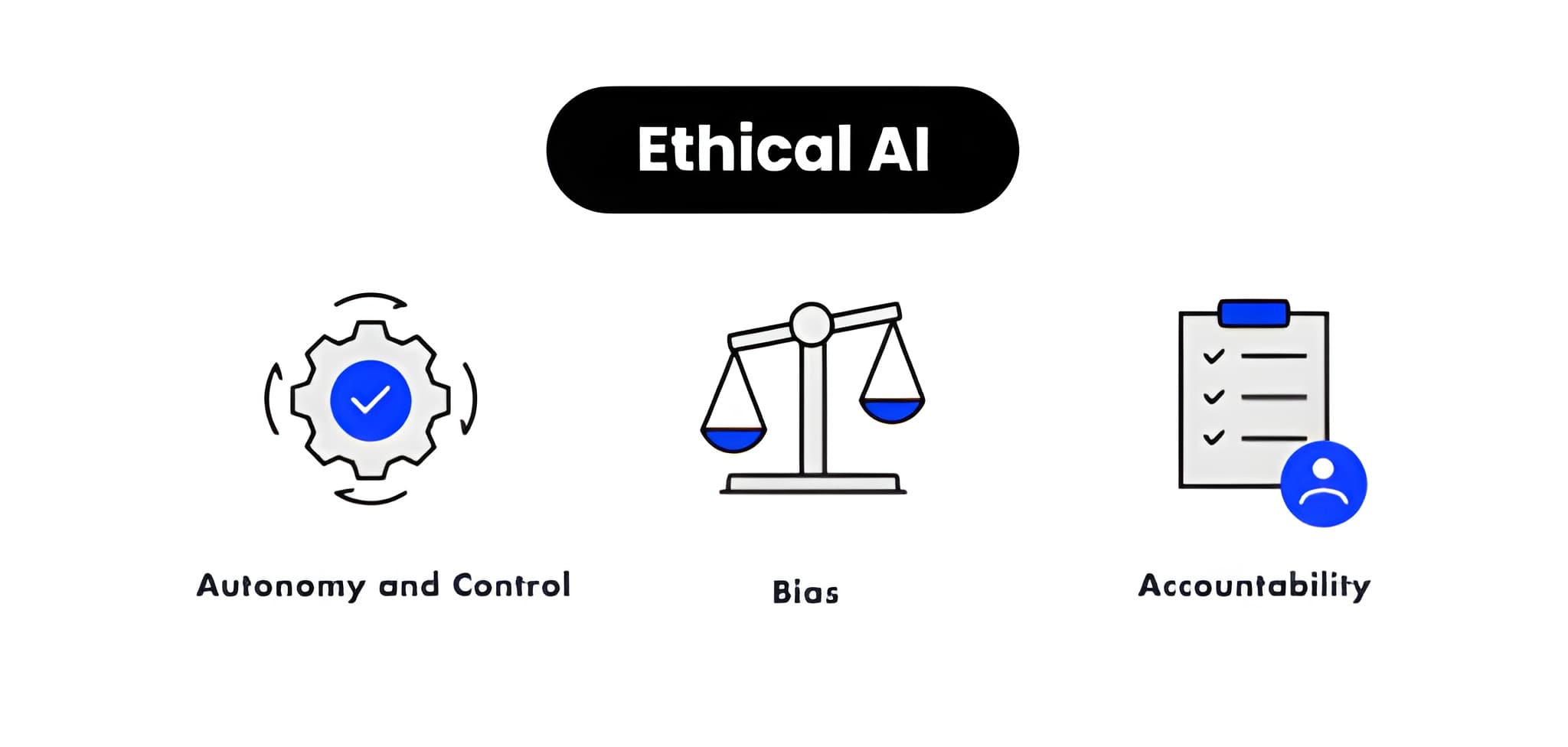
Understanding Algorithmic Bias, Explainability in Product Ranking, and Responsible AI Adoption
The Amazon AI model encompasses all systems in the ecosystem, including product searches, recommendations, pricing, advertising, and logistics. These systems provide massive, personalized efficiency, which also raises concerns of ethics, fairness, and transparency. While regulators, retailers, and consumers continue to call for greater accountability, the concerns for ethical AI and transparency of algorithms continue to grow.
1. Amazon and its AI-powered systems
Amazon uses AI-powered algorithms for:
– Search rankings
– Buy Box assignment
– Recommendation systems, “Customers also bought”
– Flexible pricing
– Advertising (Targeting & Positioning)
– Fraud and seller performance (Monitoring)
These algorithms analyze billions of data points each and every day. While they may seem powerful, they do not provide neutrality, they simply provide what they have been trained to provide.
2. What do we know about algorithmic bias?
Algorithmic bias is a term used to describe a differential and unfair disadvantage to certain merchants, products, or categories as a result of the outcome of AI systems.
Amazon’s Bias Basics
Data Bias and Backwards Learning
The new products and new sellers go unnoticed while older sellers get promoted based on the algorithm’s sales and engagement data.
Established brands get more sales and engagement data.
Older sellers get more sales, and newer sellers go unnoticed.
Feedback Bias
The older a product is, the more likely it is to get clicks, sales, and engagement.
The more clicks and engagement a product gets, the older it gets.
Newer products lose engagement and become invisible.
Discriminative Bias
Location, Pricing, and Fulfillment Methods (FBA/FBM) create an unlevel playing field for sellers.
Advertised Bias
Amazon Ads and Sponsored Products create unlevel playing fields for sellers.
The true impact of bias is often unintended, but its impact is very real. Bias impacts competition, consumer choice, and seller’s livelihoods.
3. The Importance of Transparent Algorithms
Transparent Algorithms = The more bias is exposed, the better competitors will adjust, and consumers will get more choices.
Explaining Transparency Bias
- Why is one seller’s product above the others?
- Why is a seller’s account Buy Box privileges restricted?
- Why is a seller’s account limited or suspended?
- Do ad campaigns impact a seller’s product’s rank and visibility?
Amazon’s third-party sellers get the short end of bias because they do not see how bias impacts them.
4. Transparency Explaining Rankings
The decisions of an algorithm (AI) are often not disclosed. This is called Explainable AI (XAI).
Potential Examples of Explainability on Amazon
Explanations of ranking criteria such as relevance, conversion rate, reviews
Ranges of weighted value instead of black box scoring
Seller dashboards that explain performance decreases
Readable explanations of the enforcement
Explainability has nothing to do with the source code, but the lack of profit-oriented transparency, meaning, or actionable results to the users
5. Amazon’s Specific Ethical Issues
1.Marketplace Power Imbalance
Amazon’s role as:
Owner of the platform
Operator of the marketplace
Retail competitor
There is a legitimate concern about how the algorithms may prioritize products owned or branded by Amazon.
2. Seller Accountability Without Due Process
Automated enforcement systems can:
Instantly terminate accounts
Flag listings without proof
Offer limited appeal rights
Ethical AI has to go beyond simple automation to ensure procedural fairness.
- Risks of Manipulation of Consumers
The recommendation system has the potential to:
Promote products with higher profit margins
Encourage impulse buying
Guided by profit, push consumers toward behavioral targets
Manipulative AI must prioritize the business side in order to provide the necessary freedom to the consumer.
6. Responsible AI Adoption: Core Principles
Responsible AI Adoption for Amazon and like businesses should include the following elements:
1. Fairness
Bias audits
New and small sellers given the same opportunity as large sellers
All geographical and business model sellers treated the same
2. Transparency
Explain ranking and enforcement policies
Use of sponsored vs organic results should be disclosed
AI policy should be in a language that is understandable
3. Accountability
There needs to be a human in the loop of the big decisions
There should be a clear way to challenge a decision
There should be a documented decision making process
4. Privacy & Data Ethics
Collection of data should be at a minimum
Data regarding sellers and consumers should be kept secure
Behavioral data should be used in an ethical way
7. Regulatory Pressure and Global Trends
All the governments in the world are starting to demand responsibility in the way AI is used:
EU AI Act: identifies the AI systems that are of high risk and require an explanation
In the US AI is being monitored closely by the FTC as it relates to algorithmic deception
Consumer protection laws are aimed at the regulation of dark patterns and misleading recommendations
Amazon must adjust the way it uses AI to the several laws and ethical standards from every country it does business in.
8. Adapting Strategies Sellers can focus on ethical practices like:
Reviews & Quality of products- Authentic Reviews- Avoiding Manipulative SEO
Diversifying their potential customers by avoiding over reliance on Amazon
Relative Performance Metrics
Documenting their interactions
Sellers can operate within sustainable practices by understanding how the AI systems work.
Ethical AI Bright Side Apart from a sudden upheaval of the trust deficit in AI in the near future these can be expected:
More Algorithm Transparency
Huma-AI Hybrid Algo Decisions
Audit Algorithms Independently
Transparency Tools in favor of Sellers
Ethical AI Comp. Advantage
Trust Ad Fairness Focused Platforms
FAQs
1. Do big brands get favor from Amazon’s algorithms?
They do, although unintentionally, because of the historical data and engagement loops.
2. Is the ranking on Amazon fully automated?
Mostly, however, there is human review and implementation of certain policies and enforcement.
3.Is decline on ranking requestable?
Yes, they can ask for stratified reasons. However, full reasons are not given.
4.Is algorithmic bias illegal?
Not necessarily. However, harm bias is in a compliance concern line by regulators.
5.Is there a chance for more transparency from Amazon?
Increased transparency is a result of regulators and sellers’ pressures.
Last Thought
For companies like Amazon, implementing Ethical AI is no longer discretionary. With algorithms dictating economic opportunity and consumer choice, and in order for innovation to continue, fairness, transparency, and accountability must also improve. Responsible AI adoption is more than compliance; it’s about creating a marketplace that benefits everyone.