Building Customer Relationships Beyond Amazon Using CRM Systems & Email Workflows

Reaching a wider range of customers through Amazon is a good opportunity, but like anything, it has its disadvantages. One of the major disadvantages is no direct interaction or engagement with the customers. Amazon owns the relationship. In order to sustain a business and a brand, it is essential to engage with customers on a deeper level beyond Amazon. This is possible through CRM systems and through post-purchase email workflows.
This article explains ways to build lasting relationships with customers after a sale using CRM and email marketing tools. We shall examine, through easy-to-understand language, indirect relations, special offers, surveys, action, and passive techniques to build and sustain a positive outcome customer relationship journey.
What is CRM?
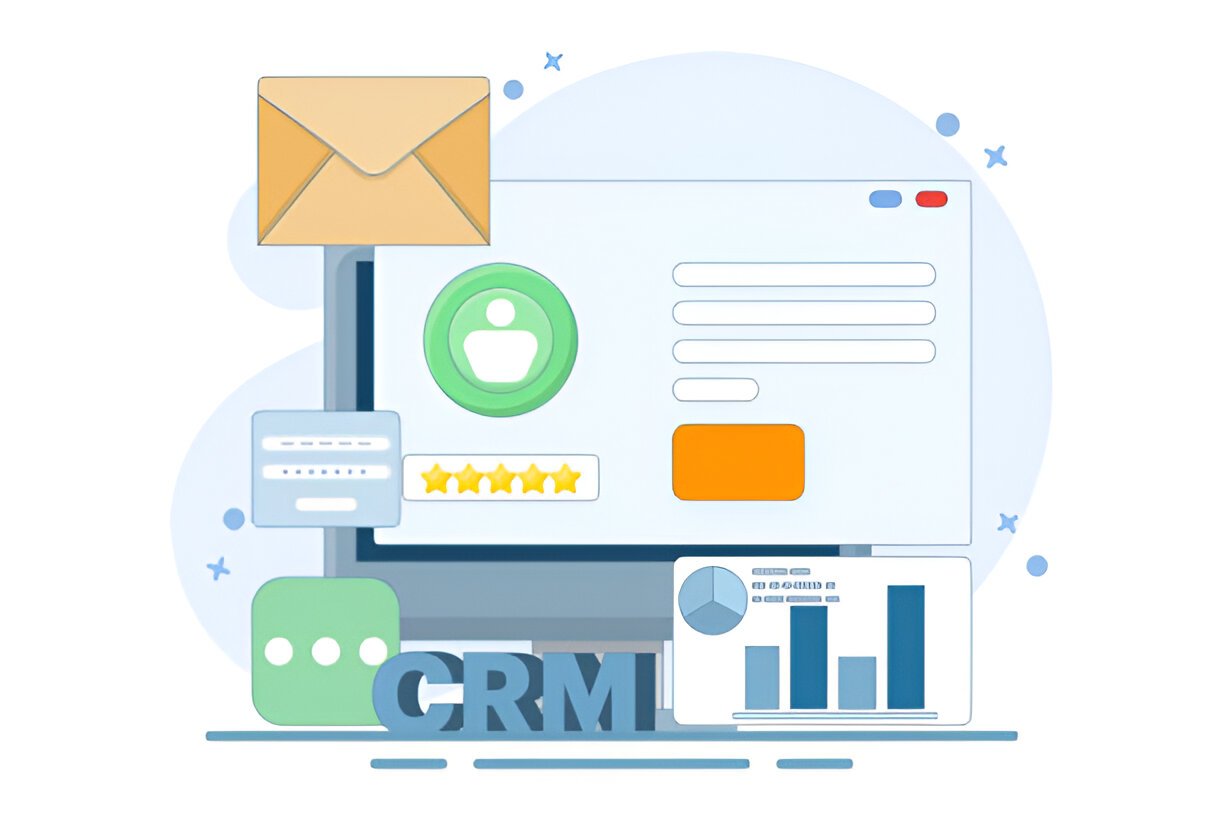
CRM is the abbreviation of the term customer relationship management. This is a tool or system that aids in understanding and managing customers. A CRM system integrates data, storing and collecting information on customers like
Full Name and e-mail
Purchases
Purchases and One-time Purchases
Likes and Dislikes
Voice of customer, feedback, and review.
Adopting a CRM system enables personalized and tailored communication with customers, offering and engaging them with relevant products and content.
Why You Should Care About CRM (Even If You Sell on Amazon)
As an Amazon seller, engaging with customers is challenging. You do not possess their comprehensive contact information, which makes it nearly impossible to develop a personal relationship. This implies that you lose out on:
– Repeat sales
– Brand loyalty
– Customer feedback
– Upsell and cross-sell opportunities
With an off-Amazon CRM, you can manage the customer journey and encourage customers to engage with you by providing value after their initial purchase.
Step 1: Customer Information Gathering
You can’t directly message Amazon users unless it is to discuss an order. So, how do you get emails?
Here are some legal suggestions:
– Add product inserts that contain QR codes to a landing page
– Include free warranty registration
– Provide a complimentary guide, ebook, or manual
– Hold a contest or giveaway
With opt-in, you are now able to collect their email and other valuable information.
Step 2: Choosing a CRM Tool
There are many CRM tools available. Some popular ones are
– Klaviyo
– HubSpot
– ActiveCampaign
– Mailchimp
– Zoho CRM
Select one based on the size of your business and your specific requirements. Begin with creating customer profiles and tag them according to their purchase history and interests.
Step 3: Setting Up Post-Purchase Email Sequence
Post-purchase emails are the messages sent to customers after they buy something from your business. These emails help you:
– Say thank you
– Provide guidance on using the product
– Solicit feedback
– Promote additional products
Here is a simple post-purchase email flow:
– Thank You Email (Immediately)—Customer thanks with bonus tip or guide.
– Product Use Tips (Day 3) – Assisting the customer to fully utilize the product with tips.
– Feedback Request (Day 7)—Asking if they are satisfied and need assistance.
– Survey Email (Day 10)—Requesting their opinion for improving service.
– Offer Email (Day 14)—Providing discounts or suggesting the products.
With this post-purchase email sequence, you are guiding your customers through the entire process, which will help develop their trust and improve their confidence in your brand.
Step 4: Surveys for Gathering Information and Learning About Your Consumers.
Surveys are an easy method to learn about your client base. For example:
How was your experience with our product?
What could we do better?
What kind of products do you want to see in the future?
For the construction of the surveys, Google Forms, Typeform, and SurveyMonkey could be used. You could also send out the survey with your email flow and offer a small incentive, such as a discount.
Step 5: Enhance Customer Loyalty with Discounts and Special Offers.
Deals and discounts are very appealing for all customers. Utilize your email list for:
Discount codes
Free shipping offers
Buy one get one free
Loyalty programs
These offers, especially when doled out with personalized messages such as, “This offer is just for you,” increase chances for repeat purchases.
Step 6: Share Valuable and Helpful Content
Sell items through email, but do not limit the content to just imparting sale items. Some value add content includes:
Tips and tricks related to your products
How to guides
Fun facts or stories
Customer reviews and testimonials
Interesting content keeps the consumer engaged and motivates them to anticipate the arrival of the emails.
Step 7: People And Personalization
Email your customers by their name. Use friendly, simple dialogue to communicate, as though you are talking to a pal. Use warm, honest language. People do not enjoy receiving mechanized emails. Rather, a personal touch is preferred.
Real-life example
Say you have a fitness water bottle as a product; this is how you could utilize CRM and email flows.
Insert in Box: Scan this QR to join our Fitness Family and receive exclusive workout insights.”
Welcome message: “Thank you for registering. Here is your complimentary workout plan.”
Product tips email: “Three advanced techniques for utilizing your water bottle.”
Survey email: “How do you stay fit? Share your tips and help us help you.”
Offer email: “Valued fitness enthusiast: 20% off our new fitness accessories exclusively for you.”
This develops a narrative and maintains customer interactions beyond the purchase.
Conclusion
Of course selling on Amazon has its own benefits, but advanced business development comes from advanced relationship marketing beyond Amazon. CRM systems and structured email flows can help you communicate with your sellers, assess their needs, and develop them from one-time purchasers to long-term clients. Deploy offers, friendly texts, and surveys to shape your strong, enduring brand.
Go for it now. Implement your CRM system, map your email sequences, and make your customers feel appreciated, and they will choose to reward you with appreciation and business.
FAQs:
What are the benefits of using CRM off-platform for Amazon customers?
A CRM effectively aids in the collection and management of customer data. A CRM can help create and manage customer data collection from Amazon purchases, enhancing customer engagement and increasing their value over time through email workflows designed for automation and personalization, all while managing long-term relationship value outside of Amazon.
Is Amazon customer data collection allowed?
Direct collection of data has limitations because of Amazon’s TOS. However, email collection can be done legally through post-purchase inserts, landing pages, and warranty registrations. This data can then be utilized in the CRM and is compliant with Amazon’s policies.
Which tools can I use for post-purchase email workflows?
For post-purchase email workflows, Klaviyo, Mailchimp, ActiveCampaign, and Omnisend are all appropriate. They integrate with CRMs and offer automated sequences and advanced CRM features, personalization, and segmentation.
What methods can I use to get Amazon customers to opt into my email list?
To get Amazon customers to join the email list, offer a discount, a free resource, warranty extensions, VIP membership, and others. Use QR codes or inserts in product packaging to direct customers to opt-in pages.
What email communications should be done post-purchase?
Along with a welcome and thank-you email, product usage tips, feedback requests, review reminders, and even promotional offers or product recommendations can be phased in gradually.
What strategies can I adopt to better my email performance through CRM contact segmentation?
Segment your CRM contacts via purchase history, geographically, by active engagement level, type of product, and even by their replies in surveys to customize the messages you send and thereby hike the open and conversion rates.
Can surveys impact my CRM strategy?
Absolutely. Through surveys, you can better understand their preferences and satisfaction levels and even gather innovative ideas regarding new products, which you can employ to better your segmentation and customize email offers.
What are the relevant metrics to keep track of in my post-purchase email flows?
A focused nurturing strategy for your CRM should track the open rates, click and conversion rates, unsubscribes, and the customers’ lifetime value (CLV).
What should the frequency of email communication be with customers after purchase?
Engage customers with email communication through 3-5 emails in the first fortnight, followed by bi-monthly or monthly email newsletters with product-related offers, updates, and education to maintain engagement without inundating customers.
How does off-Amazon customer nurturing benefit my brand?
Nurturing customers enables a brand to build a direct contact relationship, reduces dependency on Amazon, encourages repeat purchases, improves customer retention, and fosters a reliable audience for subsequent product launches.