Amazon Sustainability 2025: A Seller’s Guide to Eco Labels, Packaging Rules, Compliance

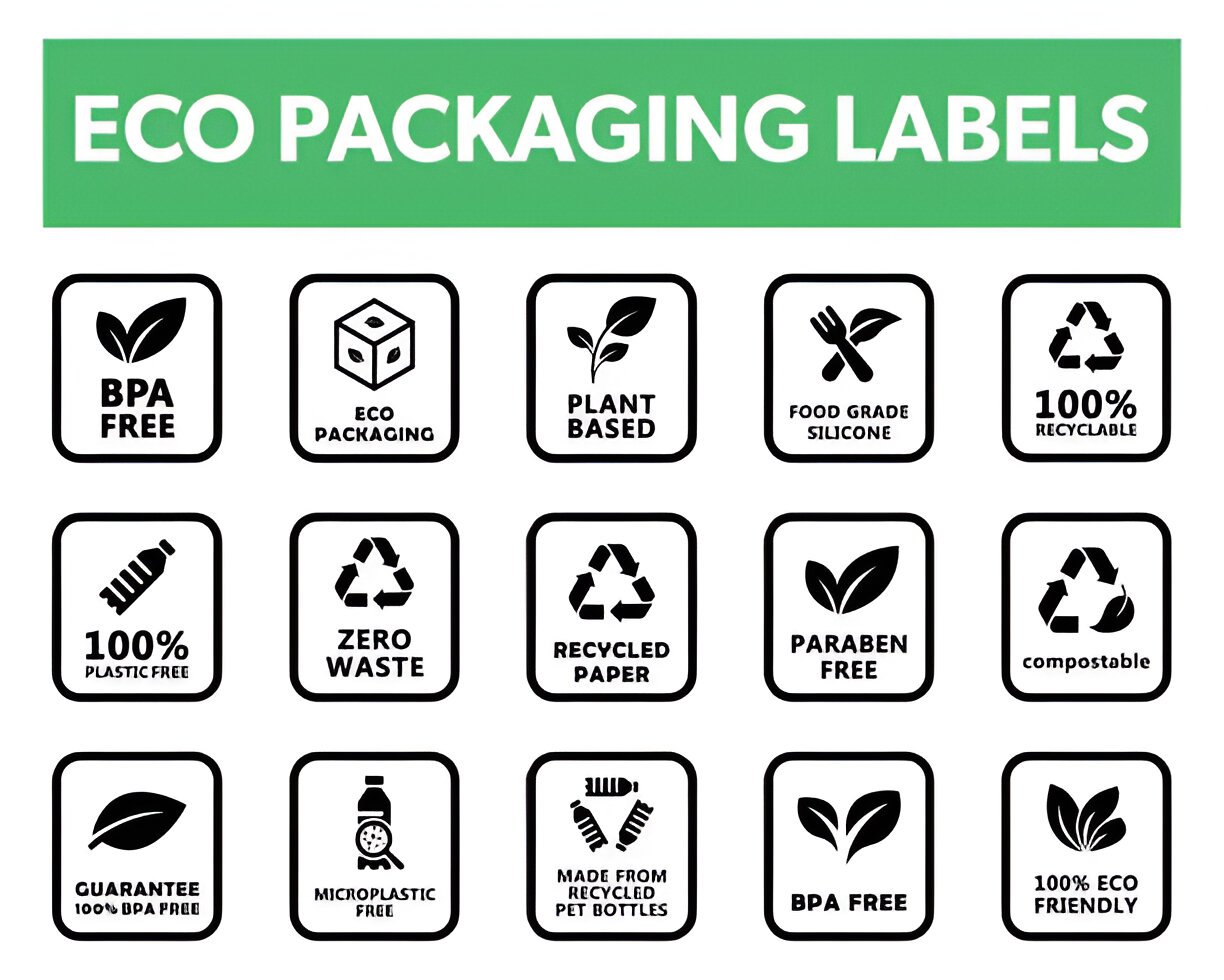
By 2025, Amazon had implemented several key sustainability policies that all merchants are required to adhere to. The policies are climate pledge‑friendly labels, packaging requirements, environmental impact assessments, and others. Amazon sellers are required to grasp every section. This article synthesizes pertinent information and offers actionable tips and illustrative examples.
1. Grasp the Fundamental Concept
In essence, the goal of Amazon is to become more environmentally friendly. The organization aims to assist in cutting down carbon emissions and waste. Sellers who conform to these regulations will have the opportunity to showcase to their buyers that they are environmentally friendly. That helps build trust. The three main pieces are:
Label Climate Pledge‐Friendly
Sustainable Product Features
Eco-friendly Packaging Waste Reduction
Mandatory Reporting Templates
Provides Environment Sellers Essential Information
2. Climate Pledge‐Friendly Label
What it denotes
Products carrying the Climate Pledge‐Friendly label are eligible to meet Amazon’s sustainability requirements. Climate Pledge Friendly Products need to meet at least one or more of the following requirements: hold an Energy Star, FSC, Rainforest Alliance, Cradle to Cradle, or Global Organic Textile Standard (GOTS) certification. Amazon accommodates endorsed third-party standards. The certification aids the eco-aware shoppers in identifying marked sustainable products.
Why is it important
Label boost visibility: Products that earn the label are featured in additional marketing filters.
Trust: Consumers often gravitate towards products labeled as climate friendly.
Market opportunity: Stated and estimated labeled products have higher market sales.
What are the steps for sellers to qualify
Examine material paperwork: Authenticate if your merchandise is made of certified materials, for example, FSC timber or organic cotton.
Provide proof: Submit certification documents through Seller Central to Seller Support.
Apply For The Label: Opt in via the Climate Pledge-Friendly program dashboard.
Monitor Compliance: Maintain certifications as valid and updated.
Example: Sale of bamboo toothbrushes includes FSC certifications, enabling applying for the climate pledge-friendly label. Customers see the “Climate Pledge Friendly” mark and understand the product is eco-friendly.
3. New Packaging Mandates
Amazon’s 2025 Packaging Rules
Amazon’s new mandates for packaging aim to focus on waste reduction, recycling, and sustainable materials. The main requirements include:
Use of recyclable or compostable materials.
No excess packaging.
Recyclable and compostable materials are clearly labeled on the outer packaging.
Ban single-use plastic that is non-recyclable or compostable.
What sellers must do
Assess packaging: Audit existing boxes, poly bags, and inserts.
Reduce dimensions: Use dimension-appropriate packaging that is smaller than the product.
Switch materials: Use of kraft paper, molded pulp, or plastics that are recyclable.
Add recycling icons: Provide instructions to “Please recycle this box.”
Example: A seller shipping phone cases could change from thick plastic bubble mailers to flat paper mailers made from recycled fibers. They add the phrase “Recyclable paper—put in paper bin” to the exterior. That meets Amazon’s requirements.
Compliance In Seller Central
Join Amazon’s Packaging Support and Supplier Network (APASS) for testing packaging.
In the product setup, specify packaging material, recyclability, and dimensions for the item, product, and shipping box to set the details on the product’s packaging.
Review notifications: Non-compliance issues will be flagged in Seller Central. Resolve issues prior to shipment.
4. Reporting Requirements Leading to Environmental Impact
What Reporting Is Required
Amazon has set out requirements to be complied with by 2025. These requirements tend to revolve around disclosing relevant information related to the business. Reporting would include:
Carbon footprint: Emissions related to the production and transportation of goods.
Materials data: Recyclable or recycled materials and quantities used.
Reduction of waste: Reuse and recycling of packaging materials.
Energy: Consumption in your warehouse or branded logistics operations.
Why Is It Required
Amazon needs the information for:
Sellers will allow Amazon to package the data and include it in the public annual sustainability report.
It helps the company to meet its target of net-zero carbon by 2040.
It helps Amazon in demonstrating progress for its climate pledge.
How Should It Be Submitted
Carbon data for the materials should be requested from your suppliers. Carbon data is maintained by retaining materials invoices and specs. Submit through the templates provided by Amazon on Seller Central.
Most sellers are observed to report once for the year before a specific date for submission, which is usually set during the first quarter.
Keep a constant set and consistent labeling for comparison, which spans across multiple years. Example: Kitchenware sellers purchase from two suppliers. One provides carbon emissions data in kg CO₂ per kitchen set; the other does not. The seller either has to approach Supplier Two to retrieve data or utilize average estimates from the industry. In the industry average approach, Supplier Two’s data is assumed to be standard; thus, the estimates do not influence overall emissions estimation. They utilize a report template available on Amazon’s site and submit after compilation.
5. Merging the Three Areas
Amazon and customers are able to see the sellers supported sustainability when all of the above-mentioned policies are enacted together. Here is a breakdown of how sellers can connect all of them:
Phase
Action
Advantage
Creation of the Product
Use eco-verified materials
Enables climate pledge label
Redesign of the Packaging
Recyclable, compostable, minimized volume
Meets set mandates
Supplier data collection
Request carbon emissions, materials, and waste information from suppliers.
Supports emission reduction targets.
All sellers above the monetary threshold to unlock the climate pledge label benefit are able to use all three and gain seller trust and search placement as well as reduced risk of account issues.
6. Guidelines to Keep a Good Seller Rating on Amazon
High seller metrics and good compliance go hand in hand. These are the most important to stay compliant and in good standing:
Label compliant packaging: Non Compliant shipments or late shipments can trigger lapses.
Keep compliance documents available: Amazon is now entitled to ask for documents posted issued not submitted certification or data.
Monitor account for packaging and product warning: Seller central notifies when product or packaging does not meet set standards.
Give proper instructions to the dispatch: Instruct all to ensure proper techniques to package and ship all items.
Maintain certification updates: Failing to update certification documents risks loss of climate pledge label.
Failing to collect inventories of supplier data.
Employing oversized box methods.
Failing to update certificates.
Lapse of renewal leads to label removal.
Update certifying documents. Mixing plastic bags to label and “paper packaging” confuses efforts to recycle.
With EcoToys PK (from Pakistan), selling wooden toys as a case study.
Acquire FSC-certified wood and organic paint and upload required documents. EcoToys apply for the climate pledge alongside earned certificates.
Substituting plastic for molded pulp tray packaging along with kraft mailers improves their eco score. EcoToys adds please recycle to their packaging.
EcoToys instructs the Pakistani supplier to share carbon emissions data. Using the shared emissions template, submit kg of CO₂ emissions alongside the weight of recycled materials.
Outcome: Their listings are visible within eco-friendly criteria, customers compliment their eco-friendly delivery, and their adherence mitigates account strike risks.
7. Contributing Original Insights and Recommendations
Use eco audits: Issuing lifecycle audits from suppliers helps in emission calculation and offers greater accuracy.
Educate Your Consumers: Include instructional notes with packaging on reusing materials to ensconce eco-friendly practices.
Monitor investment returns: Effectively measure equity market returns against ROI using labeled and unlabeled items to evaluate product sales.
Use local suppliers: Recycled paper contractors in Karachi and Islamabad could be employed as local suppliers to meet packaging needs.
To finalize:
The label as part of the Climate Pledge Friendly program enhances product visibility and signals eco-friendly products.
The new mandates require the outer and inner packaging to be minimized and labeled clearly, waste materials to be identified, and recyclables to be recycled.
Amazon collects environmental data on carbon emissions and materials usage energy through external reporting.
Provided sellers comply, brand reputation can be enhanced, Amazon compliance issues avoided, and compliance with the sustainability goals established for 2025. It is suggested that you redesign packaging, certify the product, and gather supplier information. Listings should be monitored while documentation is current and updated. Eco-friendly practices will appreciate a warm reception from customers, while doing business aligned with climate pledges would earn the sellers increased ratings, loyal customers, and an Amazon boost.
Faq
1. What does the Climate Pledge-Friendly label signify on Amazon?
The label indicates that a product qualifies with one or more of the sustainability certifications a product may have, such as FSC or Energy Star. For a shopper, this label enables a more straightforward search for eco-friendly products.
2. What steps must I take concerning my product to receive the Climate Pledge-Friendly label?
You must have a product certified by one of Amazon’s approved third-party sustainability programs. After that, you can submit your documents via Seller Central to apply for the label.
3. What are the new packaging requirements for Amazon for the year 2025?
New requirements state that sellers must use recyclable or compostable materials, avoid excess packaging, remove single-use plastics, and provide succinct recycling directions on their packaging.
4. What are the repercussions of not abiding by the packaging rules?
Some consequences may include receiving warnings, product delisting, negative customer reviews, or suspension of the seller account.
5. What does Amazon mean by environmental reporting, and what is the rationale behind Amazon’s requirements?
Environmental reporting is the act of providing your product’s carbon footprint, materials, and energy usage. Amazon uses this information to further their Climate Pledge and sustainability goals.
6. Do I need to hire a specialist to complete environmental reports?
Not always. Selling on Amazon offers self-service guides to assist sellers. However, a sustainability consultant can be engaged to assist with complex products or large inventories to enhance precision.
7. Will following Amazon’s eco rules improve my product ranking?
Yes. Products that are climate pledge-friendly or are within standards of packaging requirements are likely to be filtered or highlighted on eco-friendly search results, which can enhance visibility and sales.
8. What certifications does Amazon accept for sustainability labels?
Amazon has accepted certifications such as FSC (Forest Stewardship Council), GOTS (Global Organic Textile Standard), Energy Star, Rainforest Alliance, Cradle to Cradle, and others.
9. Where can I change my packaging and sustainability details?
You can change the product and packaging details in your Seller Central account, under the product listing or compliance sections, as in the former.
10. How often should I give Amazon my environmental data?
As a rule, sellers are required to provide this data annually. Amazon seems to establish a deadline, typically in the first quarter, for submission of environmental reports for the preceding year.